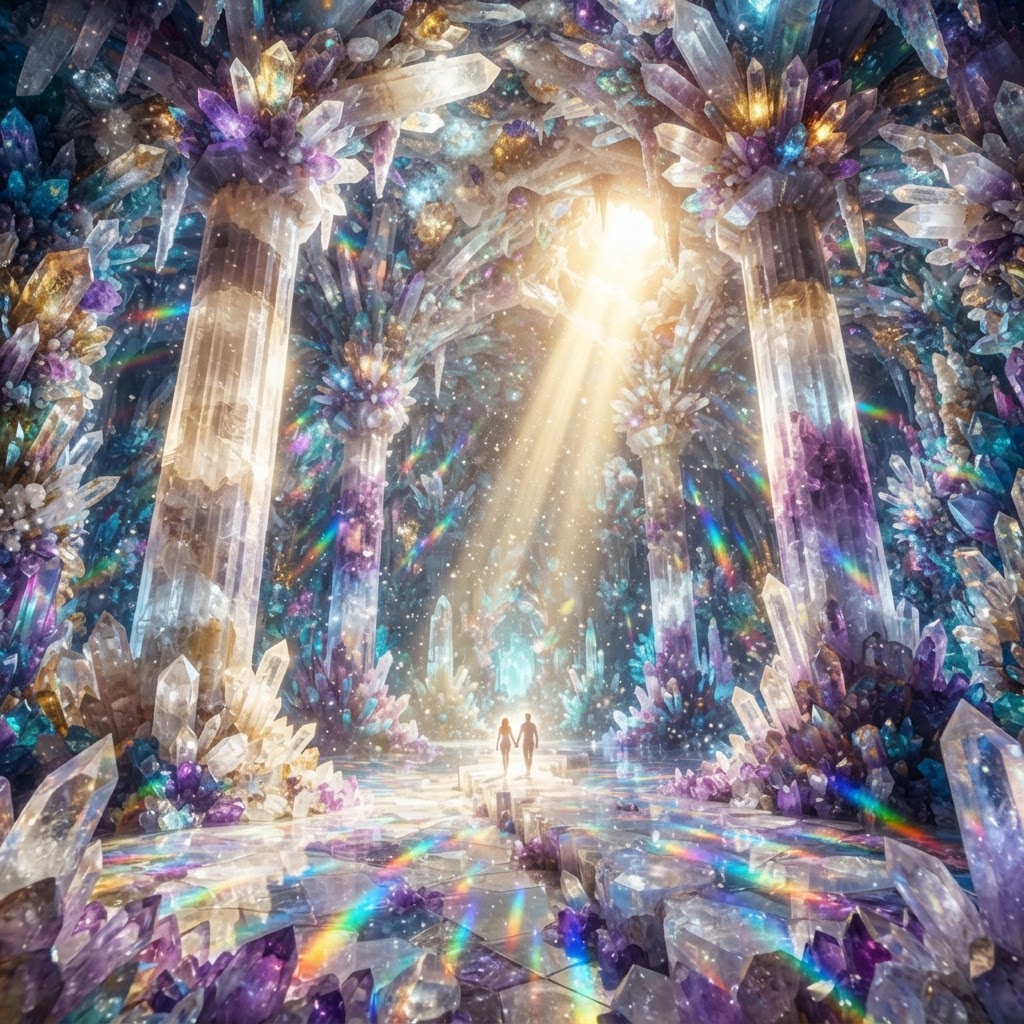
NAV · The Palace of Living Stone
The Crystal Palace
Light Cave of HU-mans
Every crystal is light that learned to stand still. Every body is a crystal palace that learned to walk. Enter the cave of living stone — twenty-two mineral teachers, seven chakra chambers, the two pupils, the crystals inside your ears, and the light-cave exodus that was never supposed to be told.
22
Mineral Teachers
7
Chakra Chambers
6
Body Crystal Sites
963 Hz
Crown Frequency
The Premise
Light That Learned To Hold Still
A crystal is light that was caught and told to hold still. Everything else in the visible world moves the light along; a crystal is the one material that receives the whole spectrum, orders it into a lattice, and returns it — sometimes thousands of times a second — without spending itself. Freeze light in a lattice and you get stone that behaves like a living instrument.
Now the secret of the Palace: your body is that lattice. Bone is seventy per cent crystalline apatite. Tooth enamel is packed crystal rods. The lens behind each pupil is named "crystalline" because it is. Deep in the pineal gland sit microcrystals of calcite, and inside each ear sit tiny calcite stones heavy enough to feel gravity. Even the fascia between your muscles and deoxyribonucleic acid in every cell behave as liquid crystals — ordered, flowing, light-bearing.
This is why the ancient temple builders carved everything in stone and then polished it. They were not decorating. They were building a diagram of the interior of a human being and daring the initiate to recognize it: pillars for bones, a crystal lamp for the pineal, a dark inner sanctum for the skull, a single shaft of light for the moment the two pupils finally open.
So the Palace you are walking into now is not a cave in the earth. It is the cave inside your cranium — the one the old stories called the Light Cave, the holy of holies, the chamber with the lamp that was never allowed to go out. Every crystal on this page is one facet of that single chamber, and every HU-man is walking around inside it.
~700 nm
The reddest light the eye can name
Red is where the spectrum becomes the body: blood, iron, gravity, ground.
~400 nm
The violet edge before the invisible
Violet is where seeing turns into knowing, and the crown chamber begins.
0.00 Hz
Light slowed to a standstill
A crystal is light that stopped moving long enough to take a shape you can hold.
The Mineral Teachers
Twenty-Two Facets of One Light
Choose a crystal and press Reveal the Light. Each teacher opens a full chamber: its chakra seat, its frequency in cosmic light, its work with the two pupils, its mirror in the crystals of your ears, and the place inside the HU-man body where that same mineral is already alive in you.
 Root
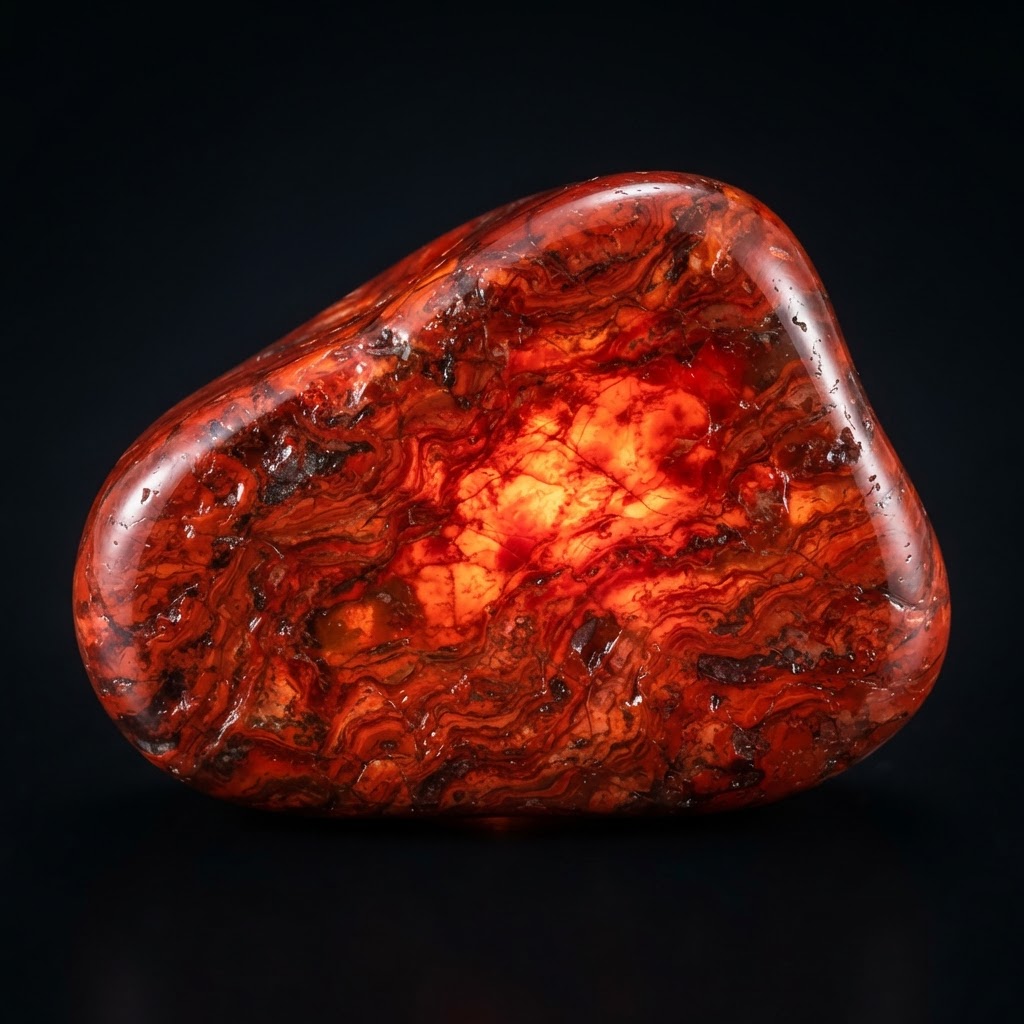
RootRed Jasper
396 Hz · ~700 nm
Microcrystalline quartz (chalcedony) colored by iron oxide
 Root
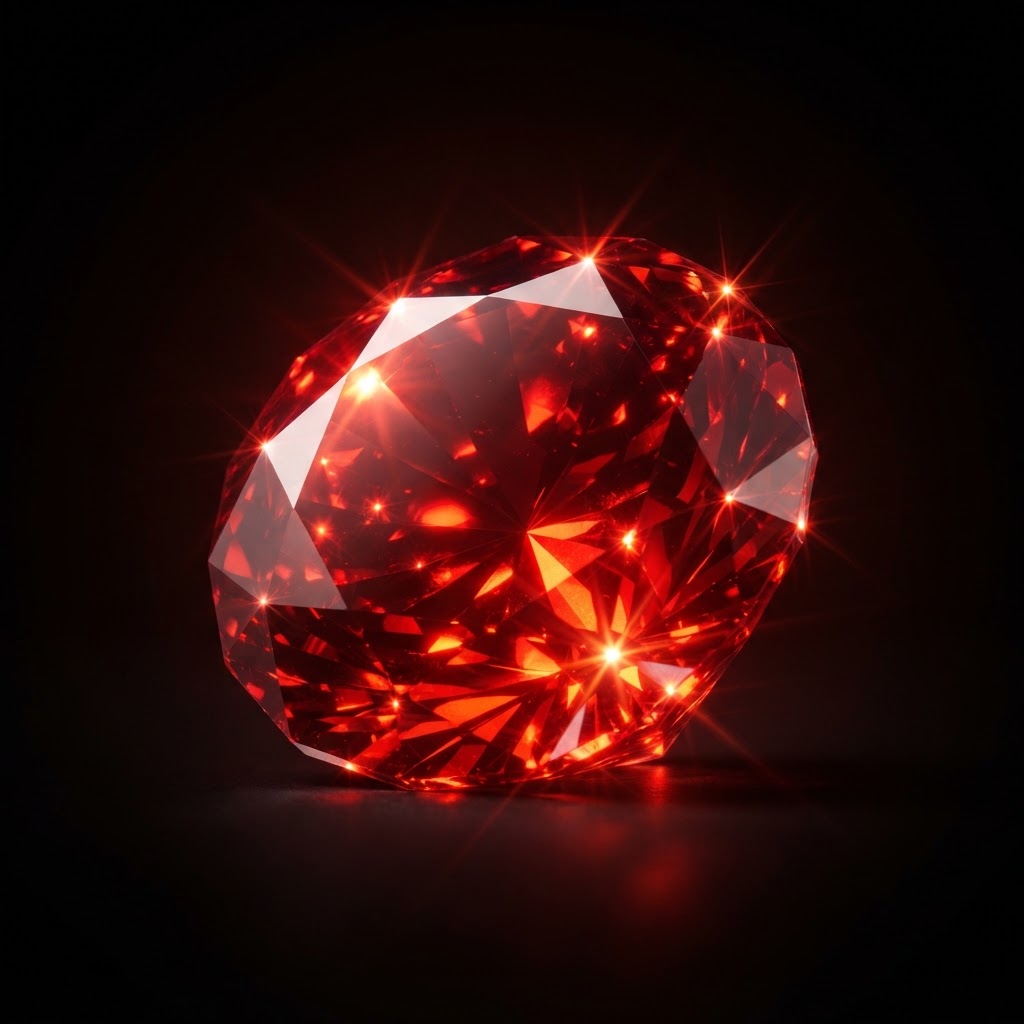
RootGarnet
396 Hz · ~690 nm
Nesosilicate (almandine / pyrope family)
 Root
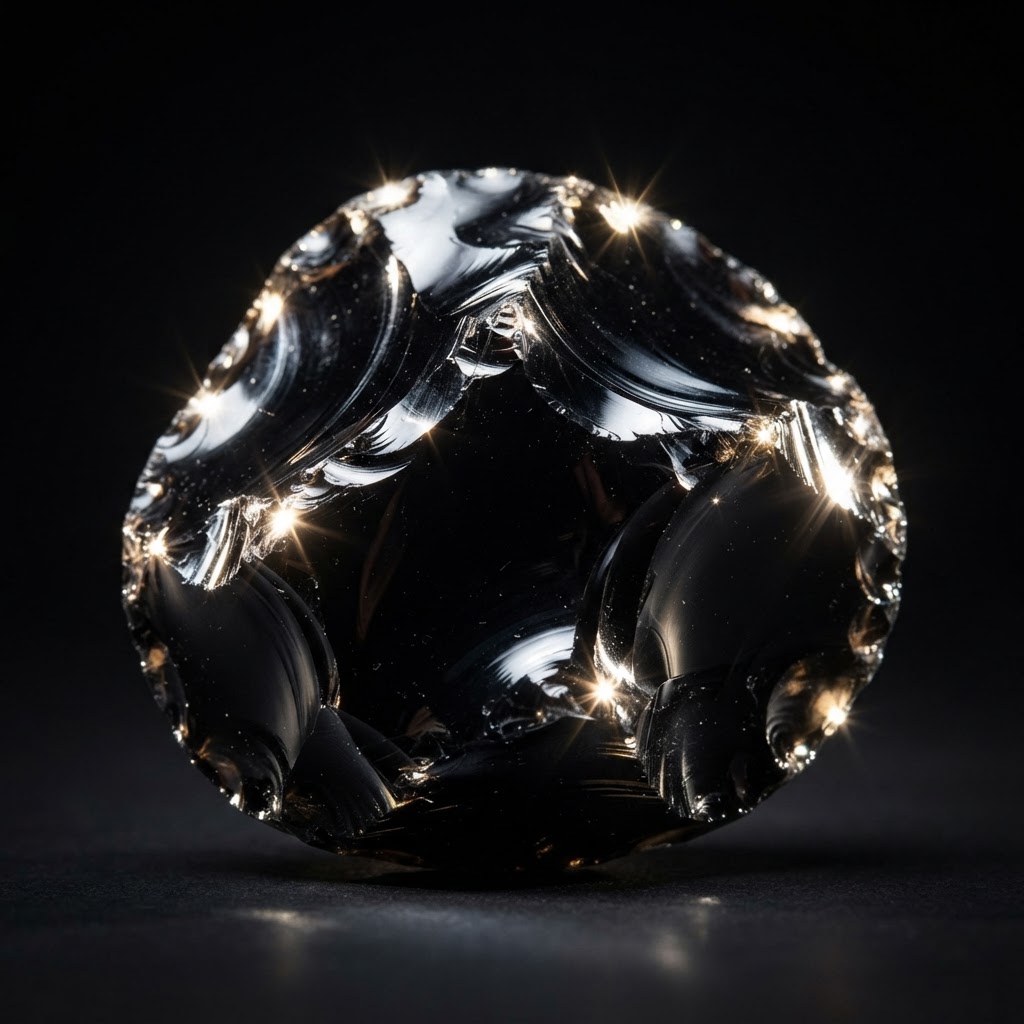
RootObsidian
396 Hz · Full spectrum absorbed
Volcanic glass — rapidly cooled lava with no crystal lattice
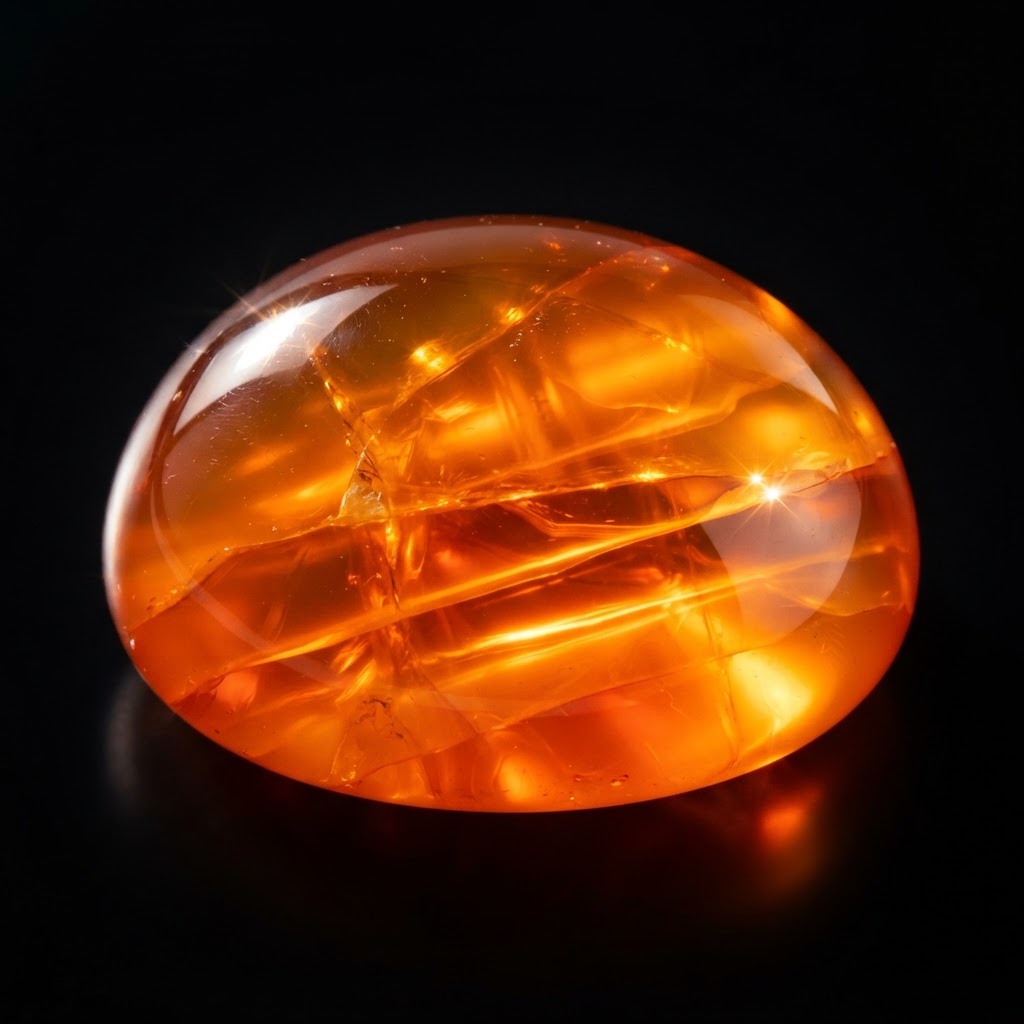 Sacral
Carnelian
417 Hz · ~620 nm
Chalcedony tinted by iron oxide — the bright orange branch of the quartz family
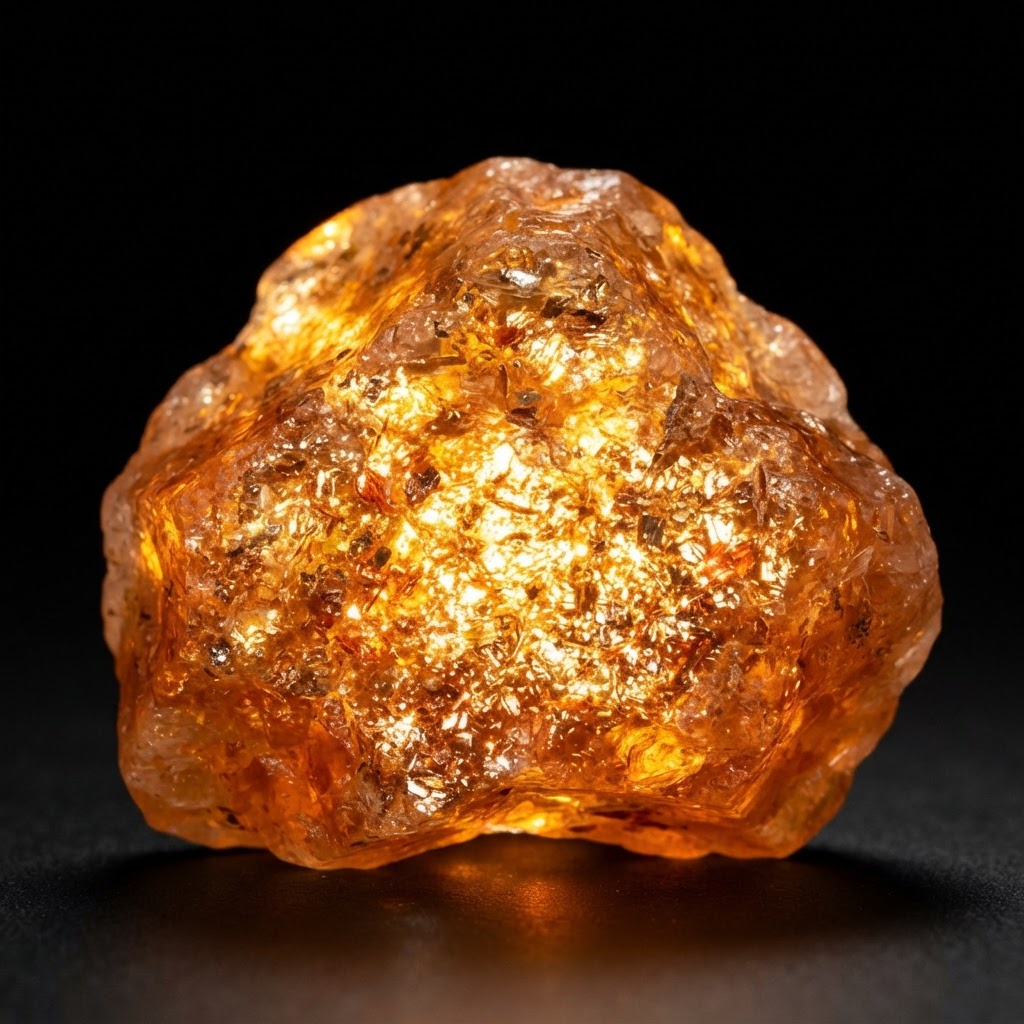 Sacral
Sunstone
417 Hz · ~600 nm
Feldspar (oligoclase) with copper inclusions
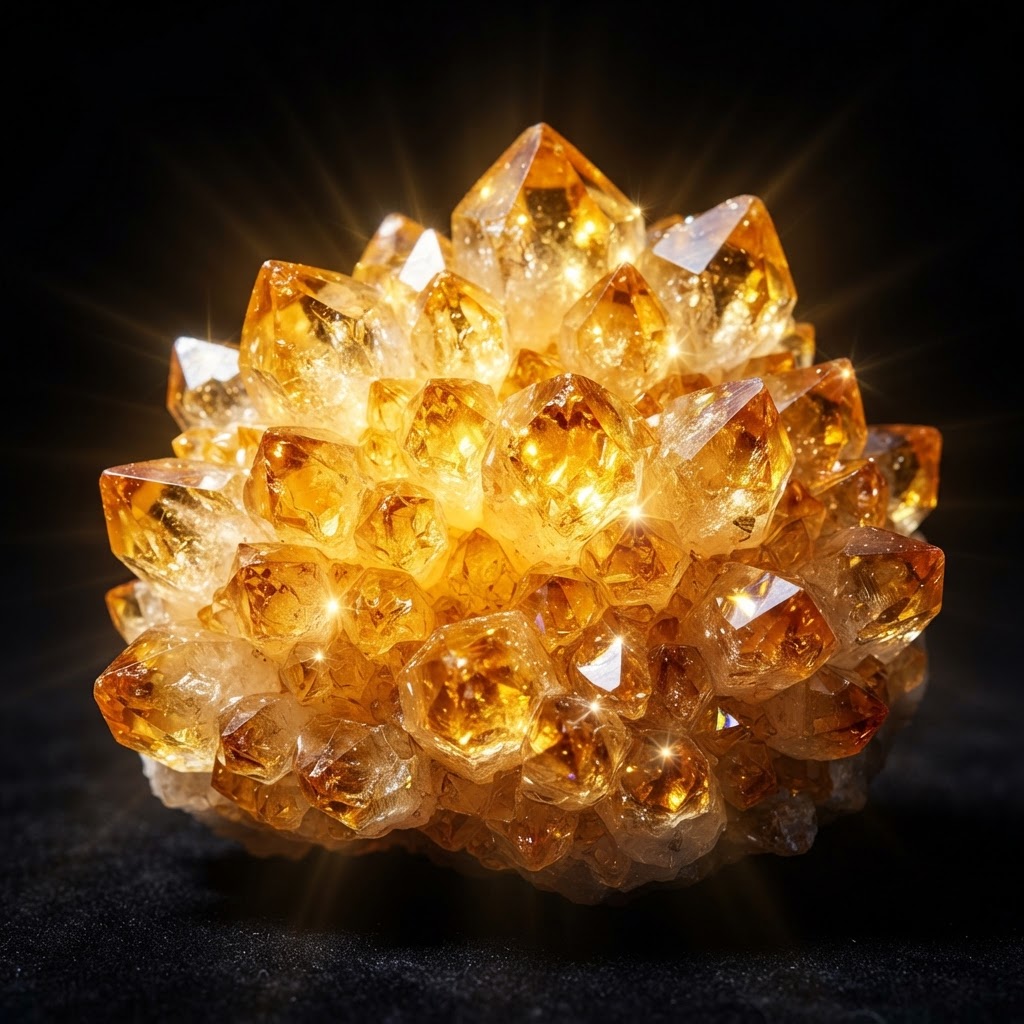 Solar Plexus
Citrine
528 Hz · ~580 nm
Golden quartz — iron-tinted crystal, the sun stone of the quartz family
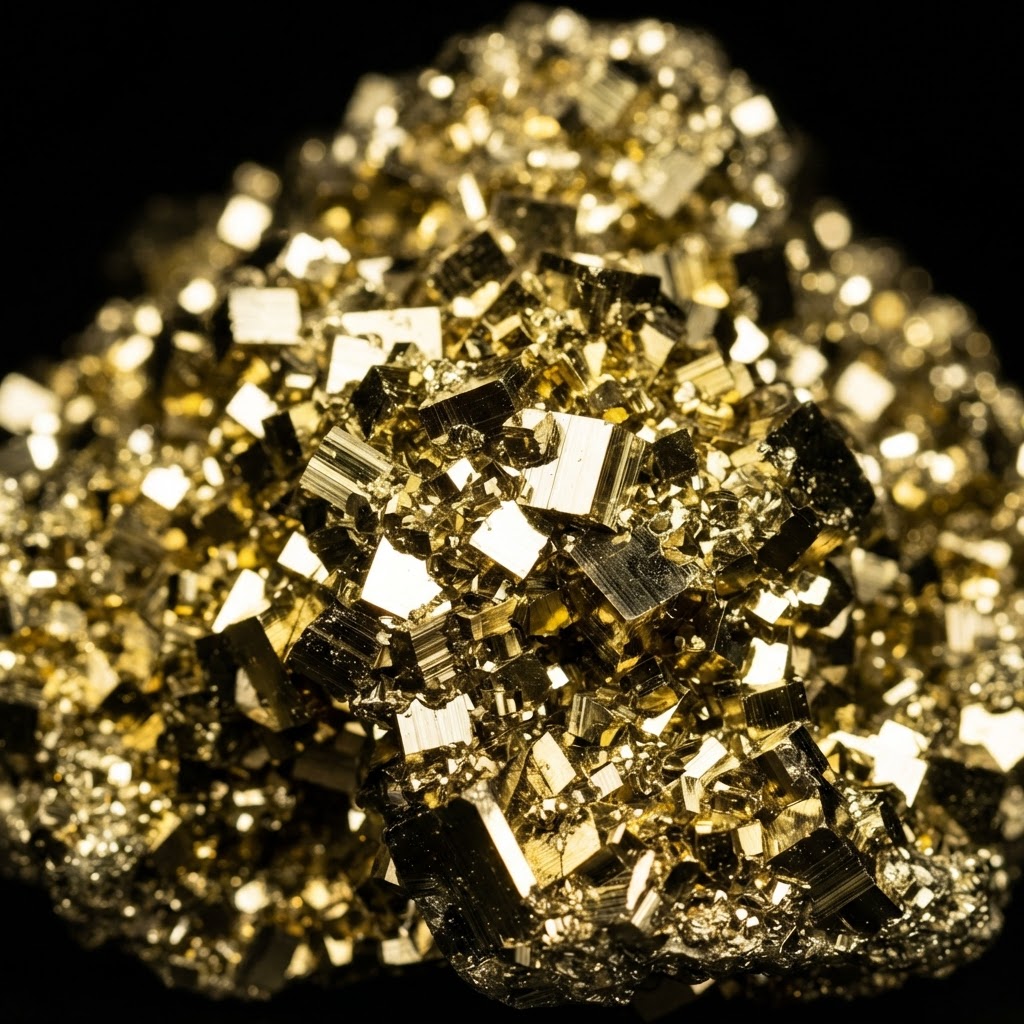 Solar Plexus
Pyrite — Fool's Gold
528 Hz · ~590 nm
Iron disulfide — perfect natural cubes of metallic gold
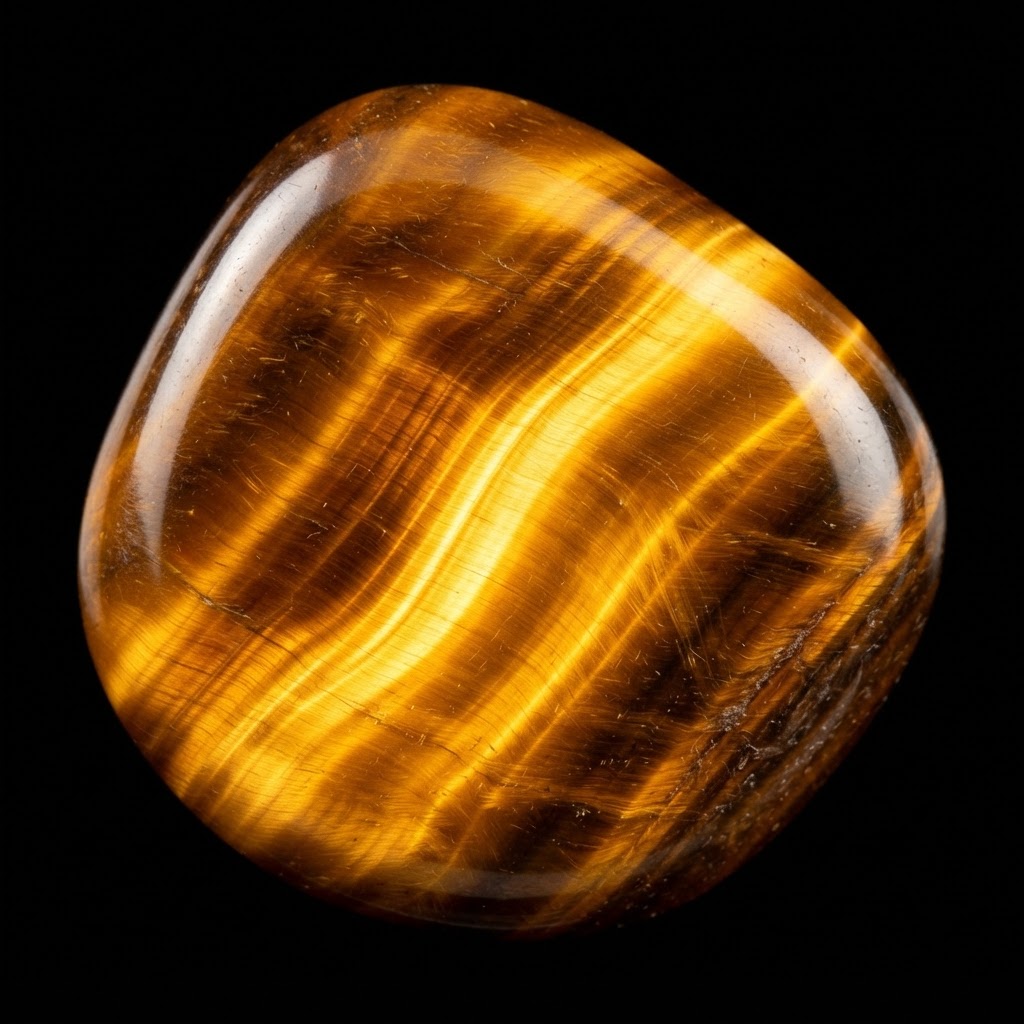 Solar Plexus
Tiger's Eye
528 Hz · ~585 nm
Fibrous quartz after crocidolite — a chatoyant golden banded stone
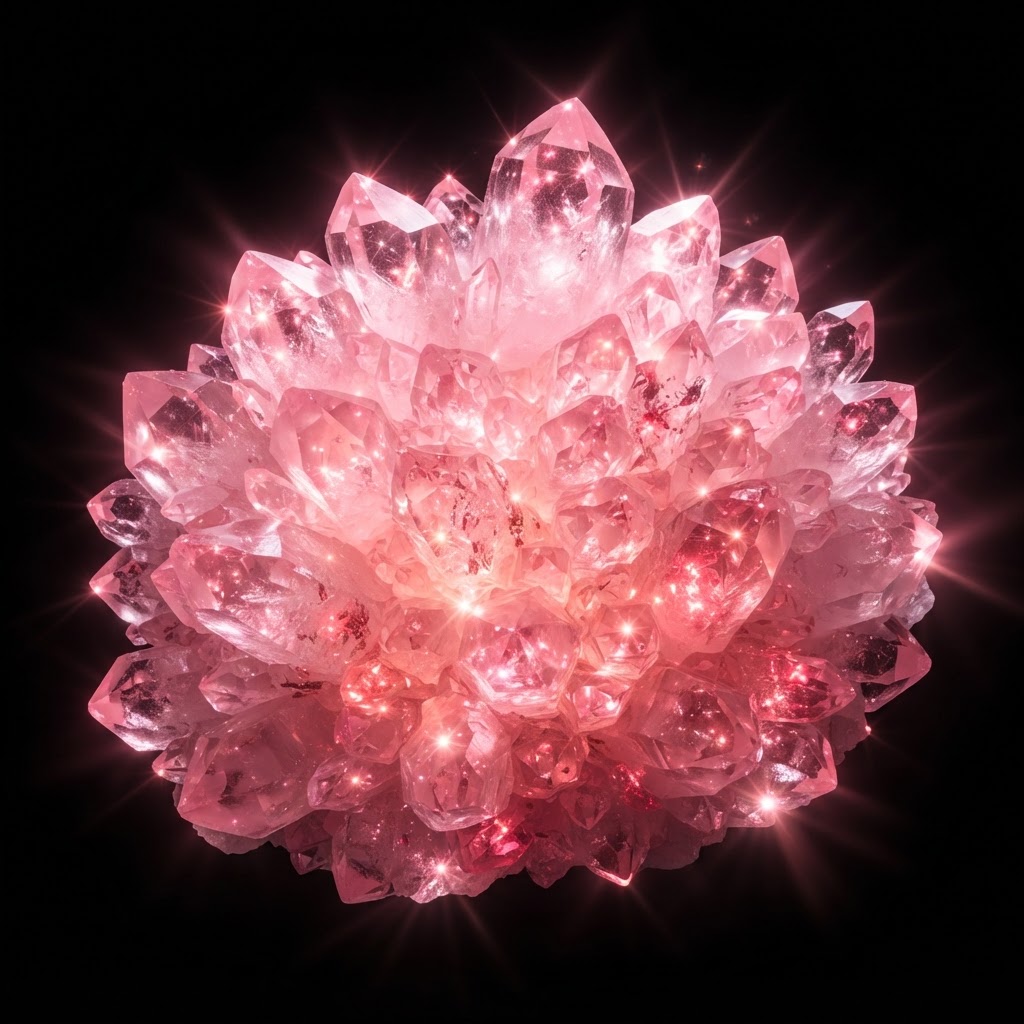 Heart
HeartRose Quartz
639 Hz · ~505 nm (pink reflection)
Pink quartz colored by trace titanium, iron, or manganese
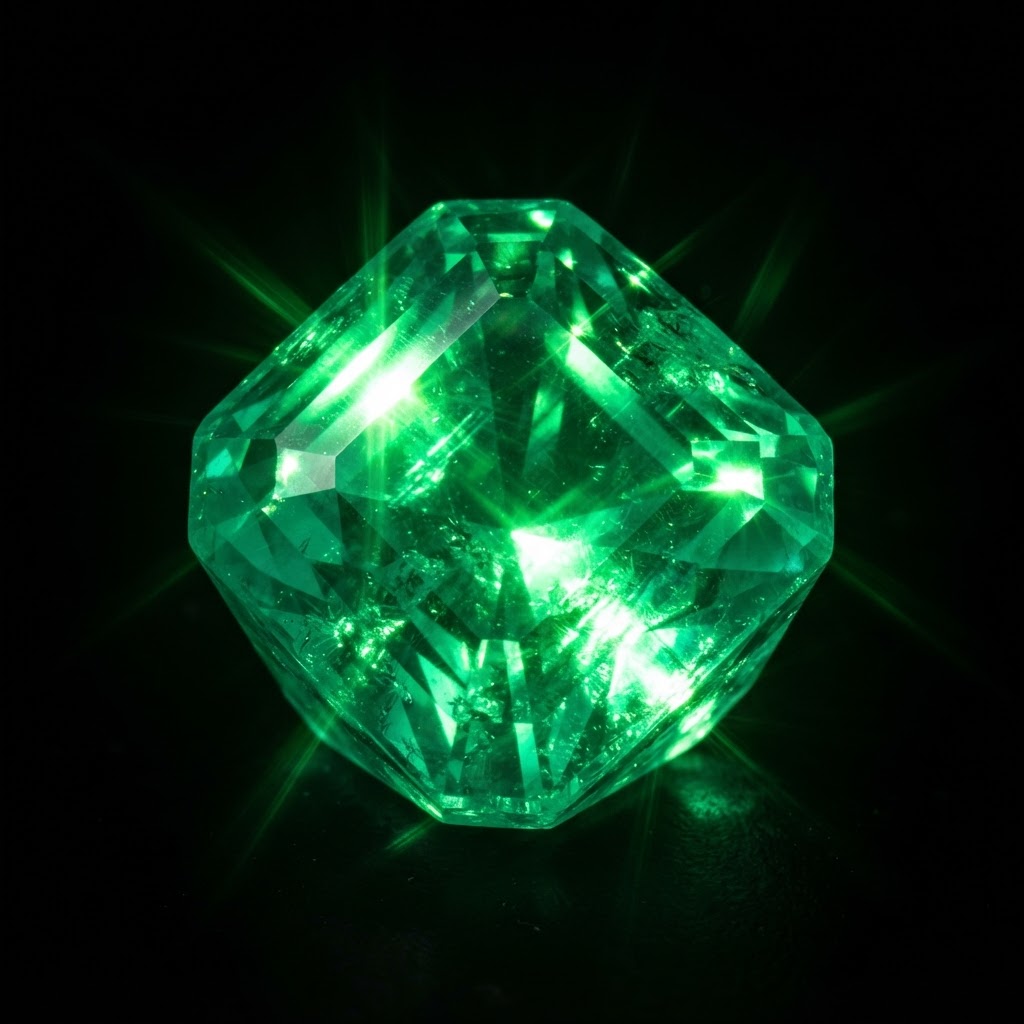 Heart
HeartEmerald
639 Hz · ~520 nm
Beryl colored by chromium and vanadium
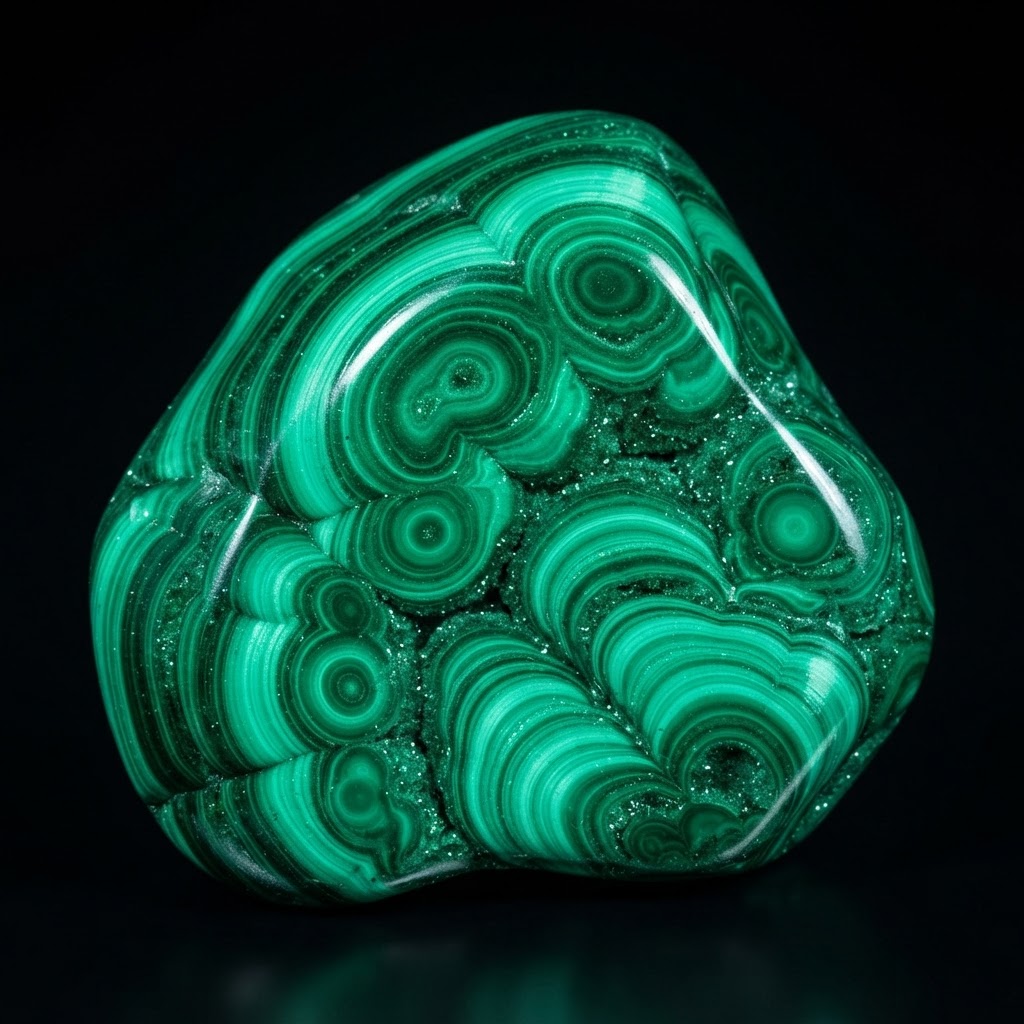 Heart
HeartMalachite
639 Hz · ~510 nm
Copper carbonate hydroxide with banded swirls
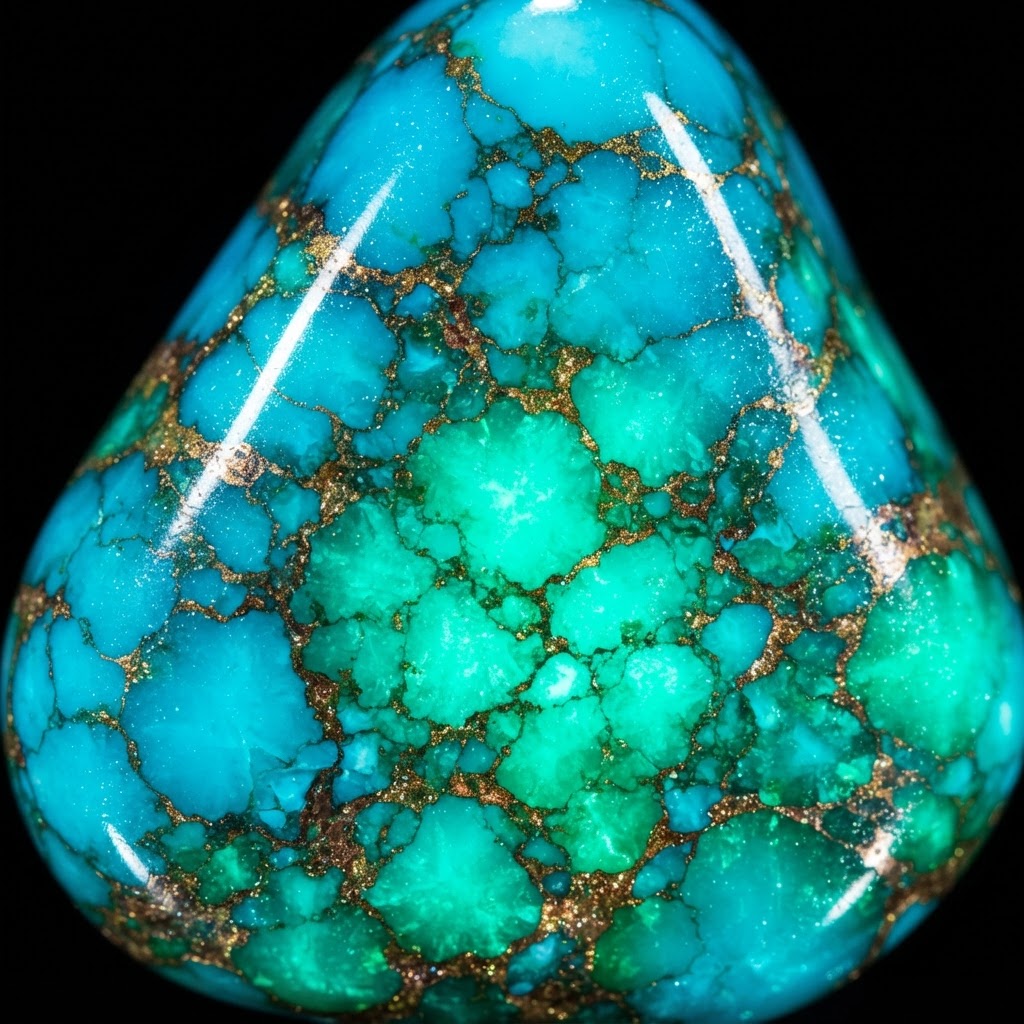 Throat
Turquoise
741 Hz · ~495 nm
Hydrated copper aluminum phosphate, often with a bronze vein-web
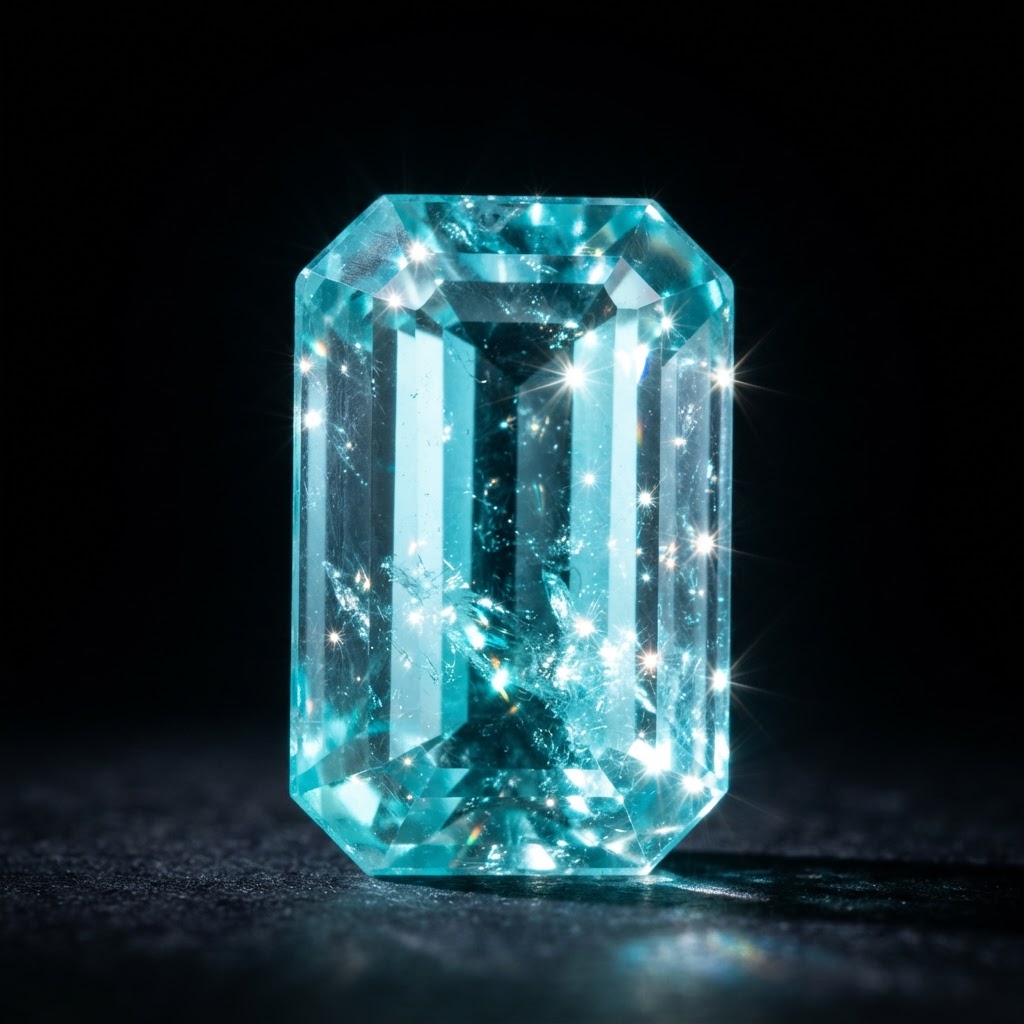 Throat
Aquamarine
741 Hz · ~490 nm
Beryl colored by iron — the blue-green sibling of emerald
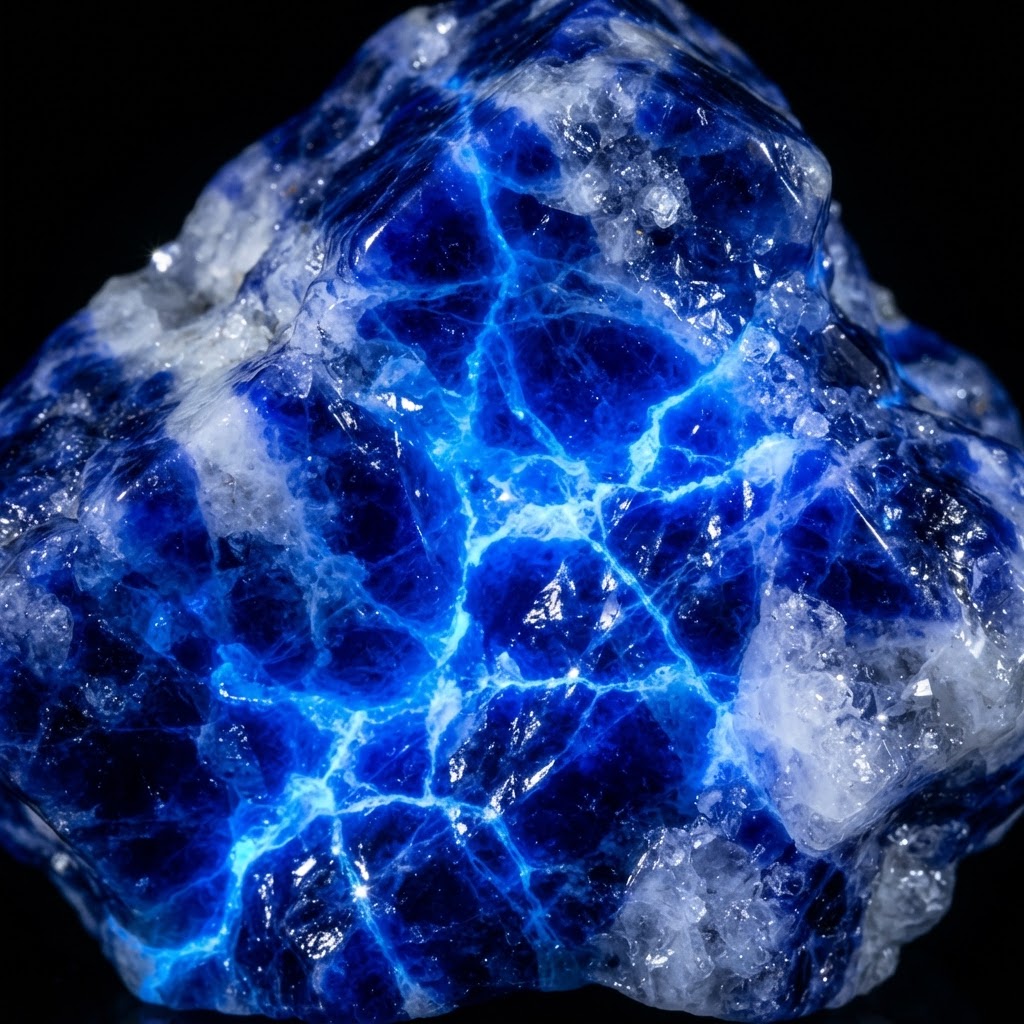 Throat
Sodalite
741 Hz · ~470 nm
Sodium aluminum silicate chloride, veined with white calcite
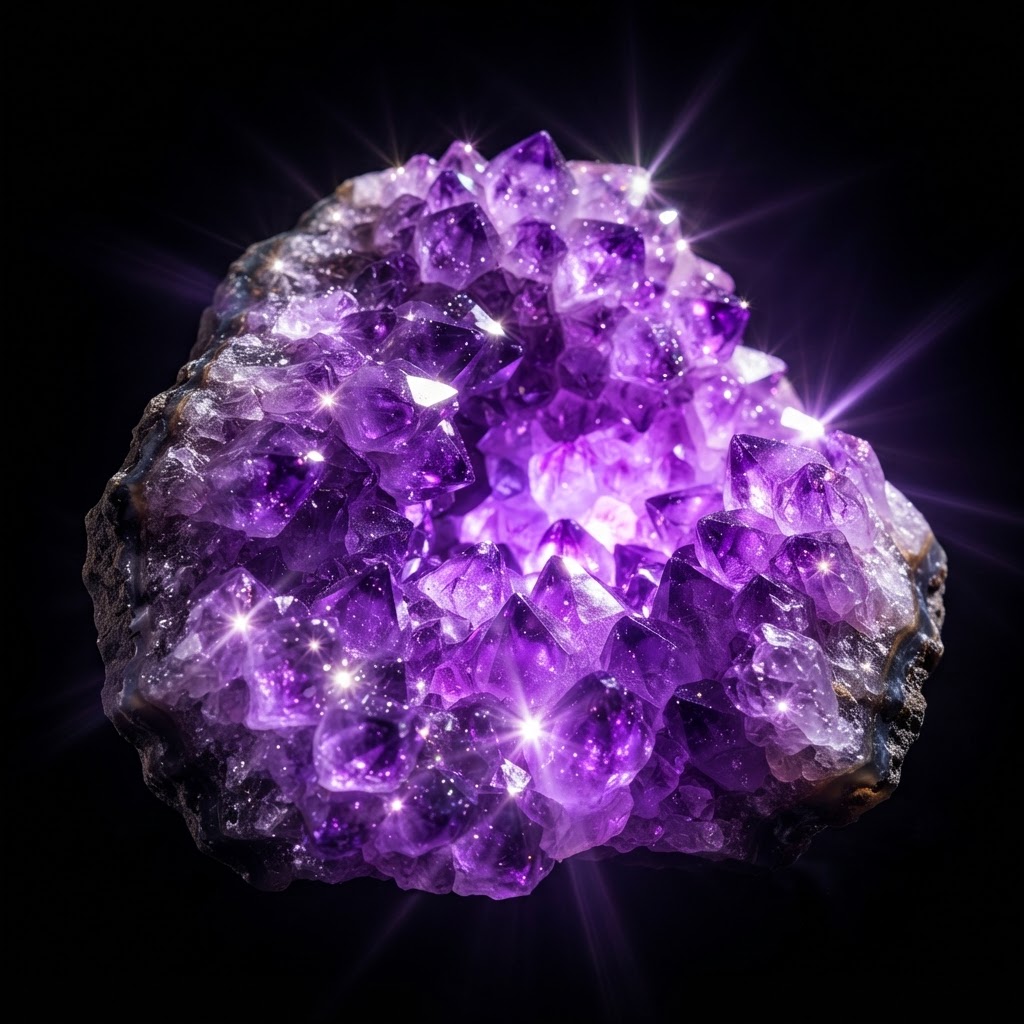 Third Eye
Amethyst
852 Hz · ~420 nm
Violet quartz colored by iron and natural irradiation
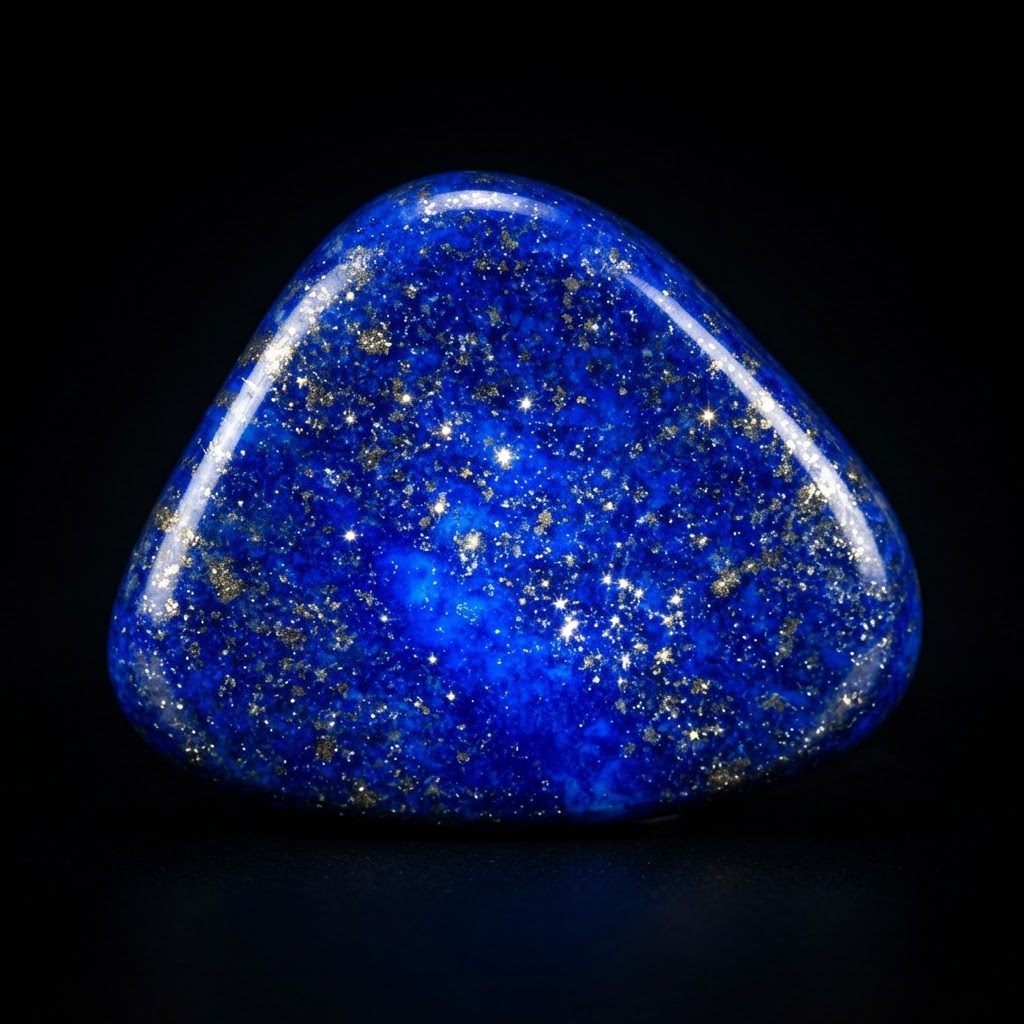 Third Eye
Lapis Lazuli
852 Hz · ~440 nm
Lazurite with pyrite and calcite — a stone that contains a night sky
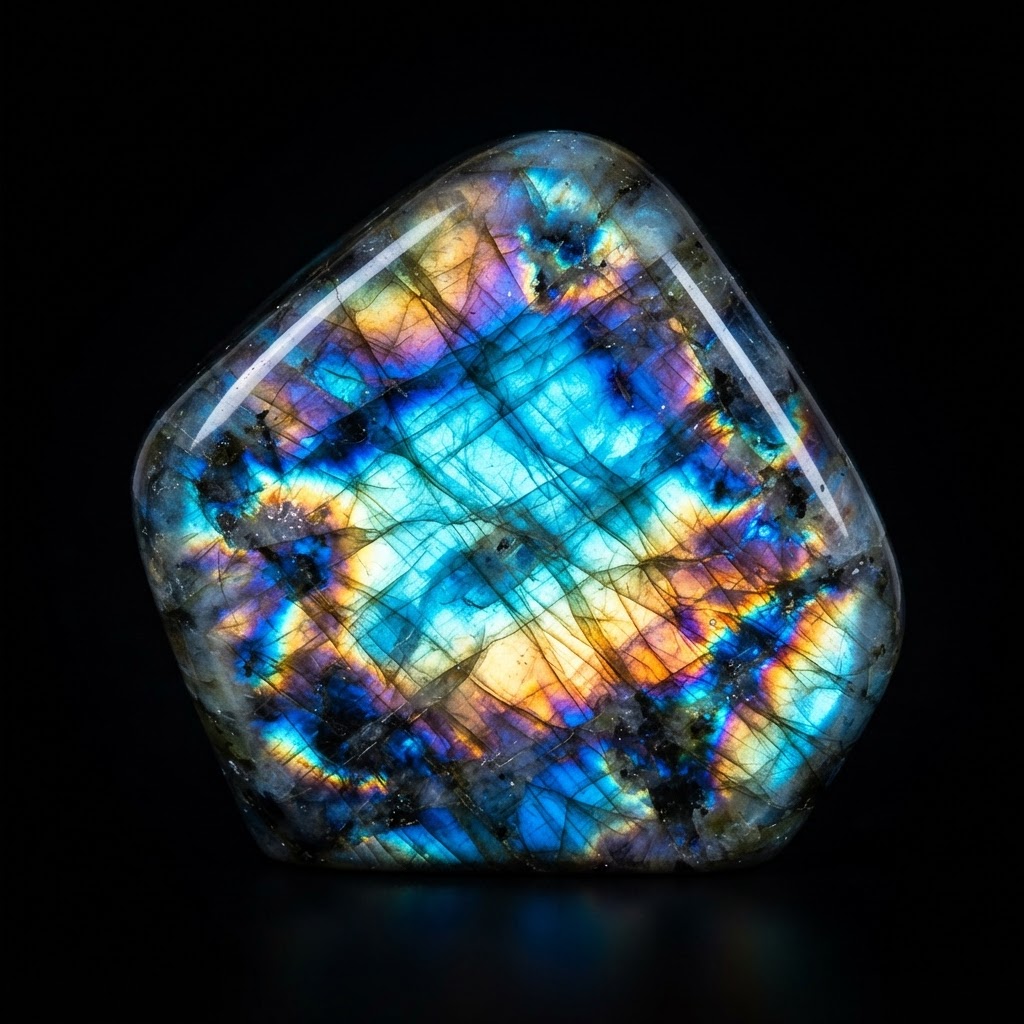 Third Eye
Labradorite
852 Hz · ~460 nm (full aurora spectrum)
Feldspar with thin mineral layers that split light into aurora colors
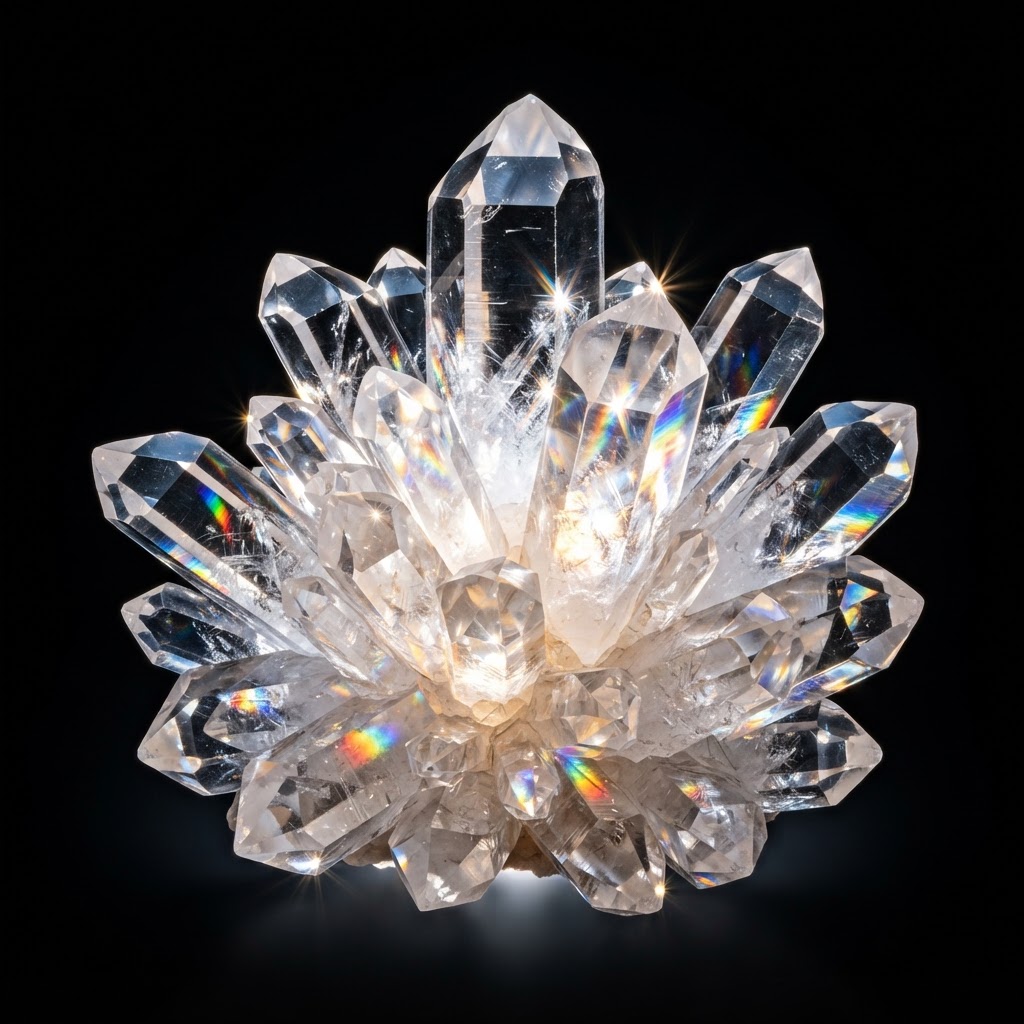 Crown
CrownClear Quartz
963 Hz · Full visible spectrum
Silicon dioxide — the master lattice of the mineral kingdom
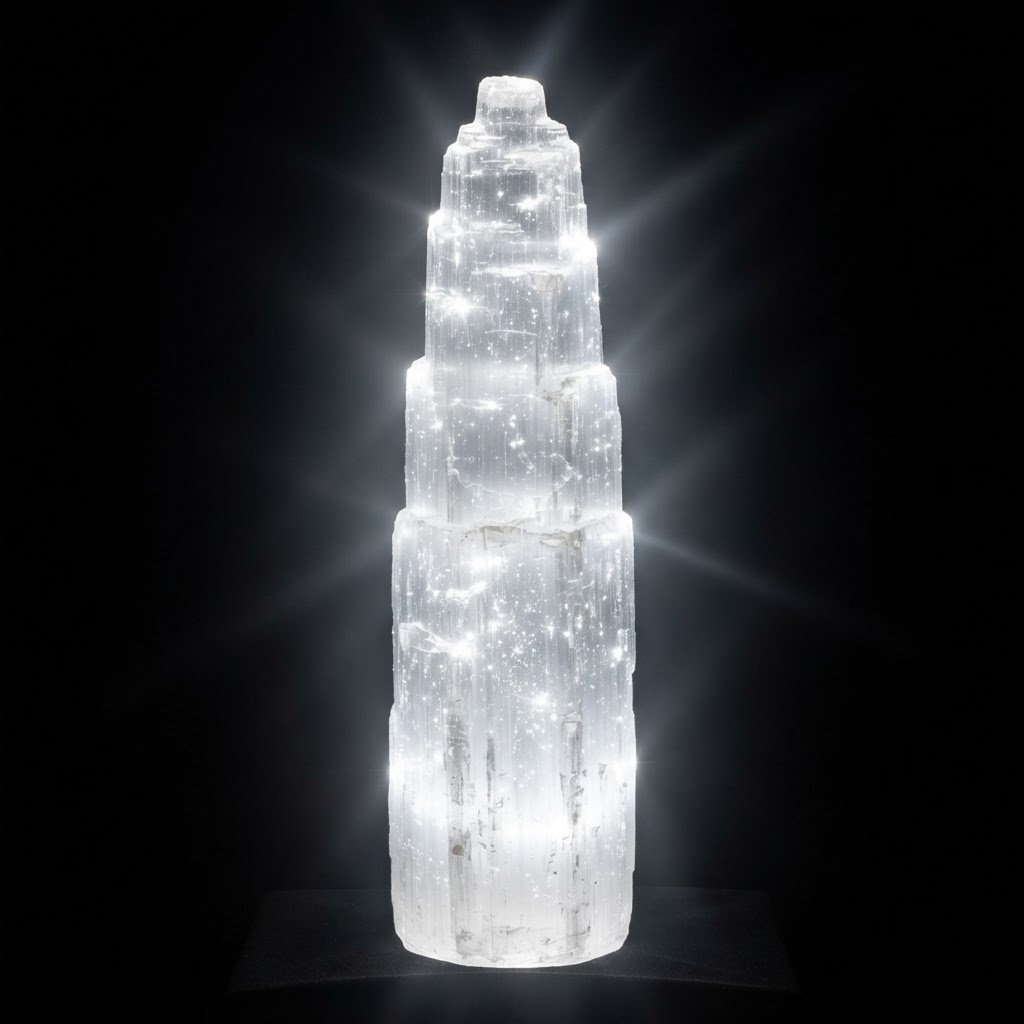 Crown
CrownSelenite
963 Hz · ~400 nm (white light)
Gypsum — hydrated calcium sulfate that grows in luminous blades
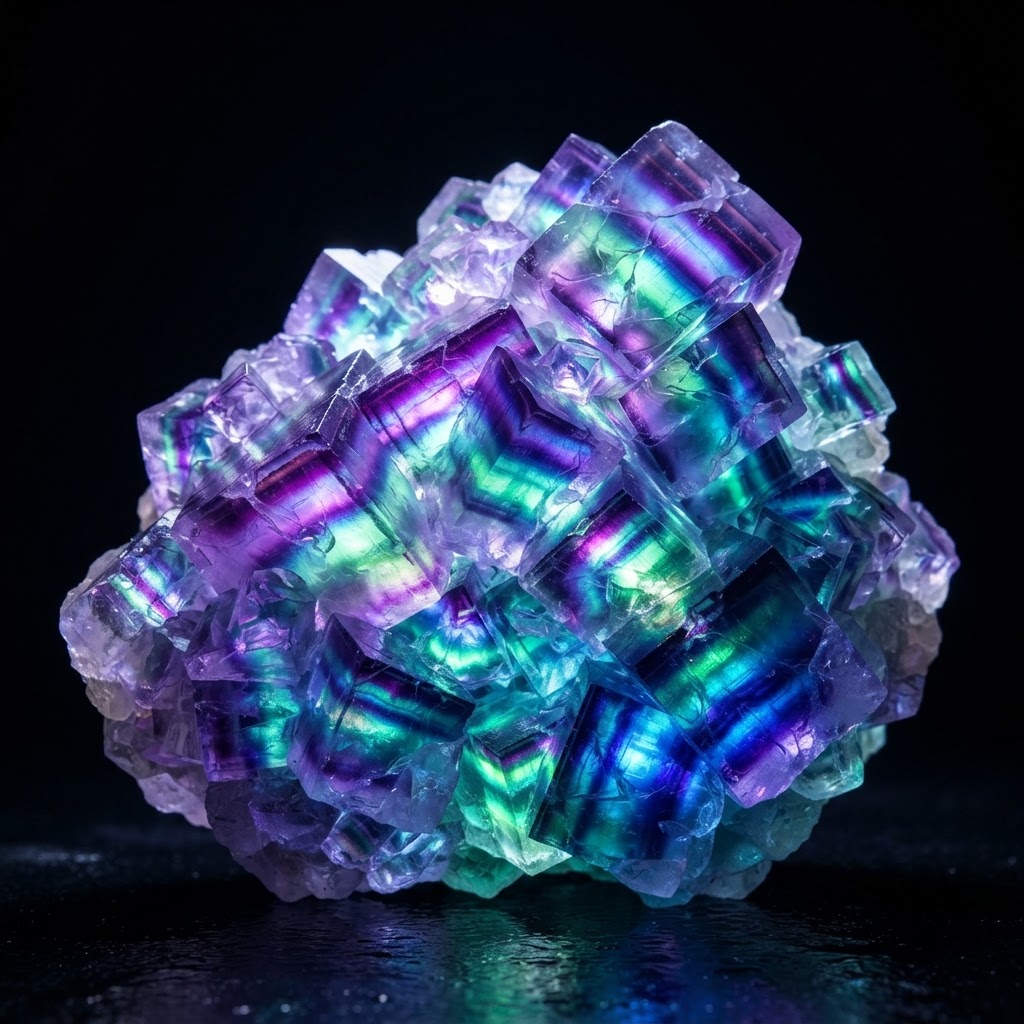 Crown
CrownFluorite
963 Hz · ~430 nm (multi-band)
Calcium fluoride — the original fluorescent mineral
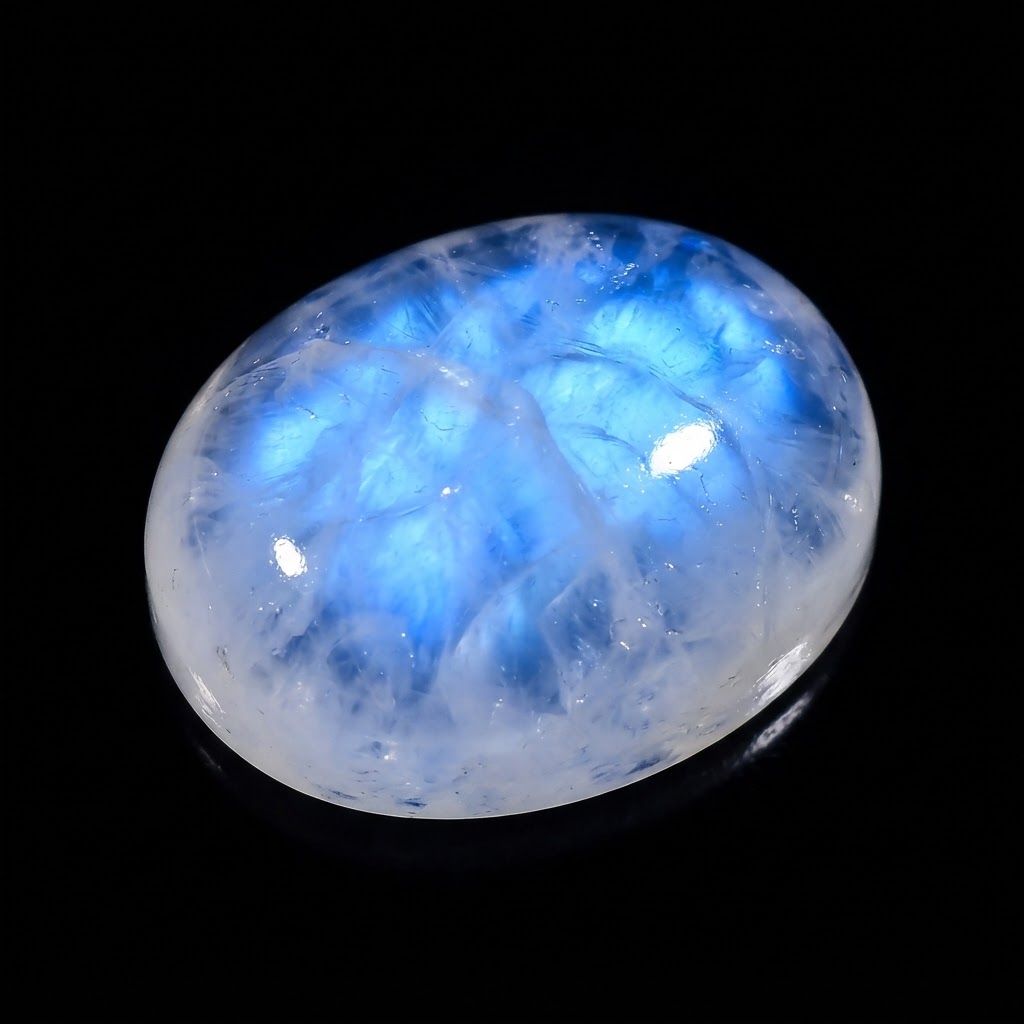 Crown
CrownMoonstone
963 Hz · ~470 nm (adularescence)
Feldspar with alternating layers that scatter light into a blue sheen
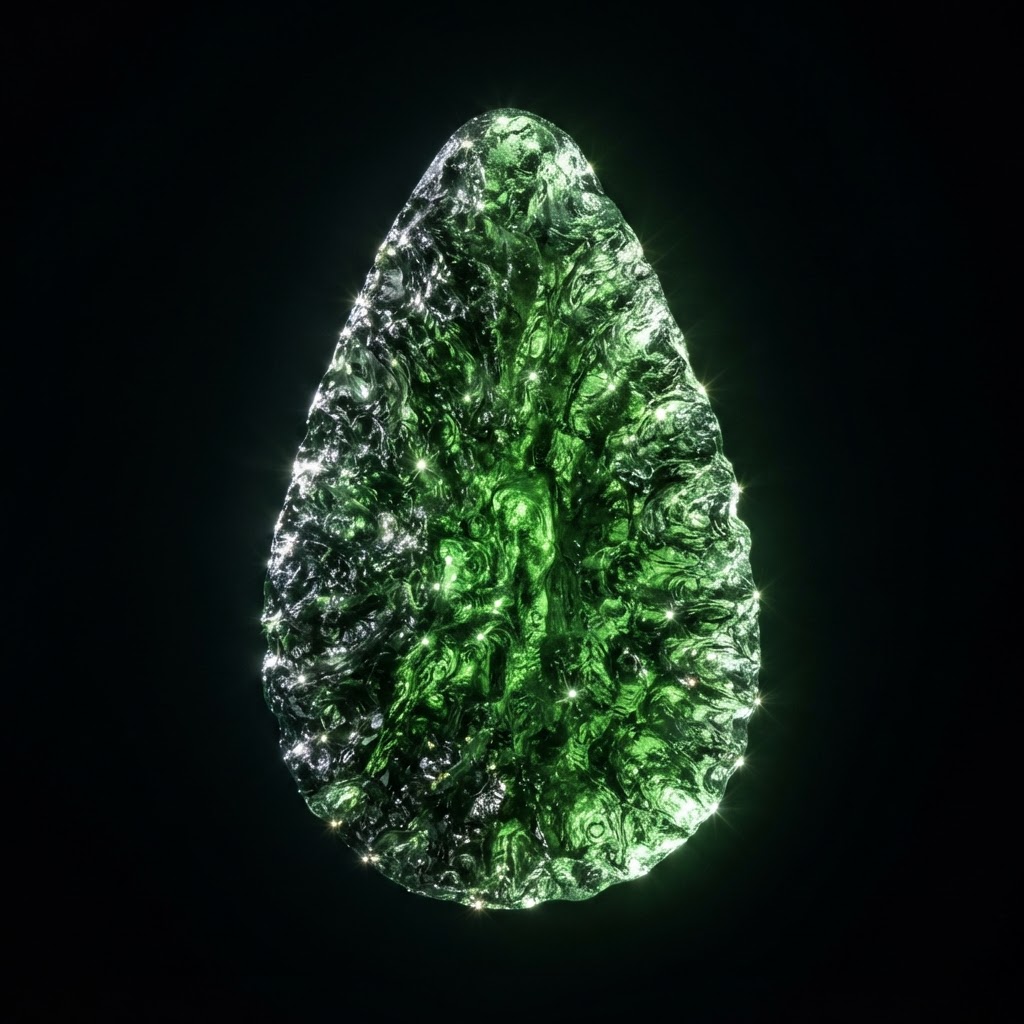 Crown
CrownMoldavite
963 Hz · ~530 nm (deep green)
Tektite green glass formed when a meteorite struck the Earth ~15 million years ago
22 of 22 mineral teachers shown
The Seven Chambers
Chakra, Colour, Frequency, Crystal
Every chamber of the Palace is a frequency of cosmic light, and every frequency has a colour, a wavelength, a mineral that carries it — and a place where it touches the two pupils and the crystals of the ear.
Root
Muladhara
Frequency
396 Hz
Wavelength
~700 nm
Colour
Red
Crystals
Seat in the Body
Base of the spine
The Two Pupils
Red is the first color a newborn eye registers and the frequency that settles the pupil into rest.
HU-man Correspondence
Bones, blood, the iron in hemoglobin, and the calcite otoconia that report gravity to the inner ear.
Sacral
Svadhisthana
Frequency
417 Hz
Wavelength
~620 nm
Colour
Orange
Crystals
Seat in the Body
Below the navel
The Two Pupils
Orange keeps the retina awake while softening the pupil — the exact state of watching a sunset.
HU-man Correspondence
The creative waters, the sacral fluid, and the fluid-filled vestibular canals of the inner ear.
Solar Plexus
Manipura
Frequency
528 Hz
Wavelength
~580 nm
Colour
Gold
Crystals
Seat in the Body
Above the navel
The Two Pupils
Gold is the peak of the daylight sensitivity of the eye — the brightest warm light the two pupils read without strain.
HU-man Correspondence
The digestion and the will: pancreas, liver, solar fire, and the upright posture the vestibular system holds all day.
Heart
Anahata
Frequency
639 Hz
Wavelength
~520 nm
Colour
Green and Rose
Crystals
Seat in the Body
Center of the chest
The Two Pupils
Green is the color the human retina resolves in the most shades; rose is the flush of a safe face.
HU-man Correspondence
The heart muscle, the lungs, the collagen, and the fascia — woven from quartz-family silicon.
Throat
Vishuddha
Frequency
741 Hz
Wavelength
~490 nm
Colour
Blue-Green
Crystals
Seat in the Body
The throat
The Two Pupils
Blue-green is the least fatiguing frequency at full brightness — the gaze that can look longest.
HU-man Correspondence
The voice box, the thyroid, the cartilage of the ears, and the sulfate-held tissue of the neck.
Third Eye
Ajna
Frequency
852 Hz
Wavelength
~430 nm
Colour
Indigo and Violet
Crystals
Seat in the Body
Between the brows
The Two Pupils
Indigo and violet sit at the edge of human vision, where seeing turns into knowing.
HU-man Correspondence
The two pupils, the crystalline lens, the optic chiasm, and the calcite microcrystals of the pineal gland.
Crown
Sahasrara
Frequency
963 Hz
Wavelength
~400 nm (full spectrum)
Colour
White and Violet
Crystals
Seat in the Body
Above the crown of the skull
The Two Pupils
Clear light names no color, which is why the two pupils read it as purity rather than absence.
HU-man Correspondence
The cranial vault, the brain and its magnetite crystals, the pineal, and the whole star-born mineral body.
The Only Mirrors in the Chamber
Crystals & The Two Pupils
Behind each pupil sits a lens named for the mineral kingdom: the crystalline lens, packed with crystallin proteins in near-perfect order so that cosmic light can be bent onto the retina with jewel-maker precision. Every crystal on this page is a teacher to those two doors.
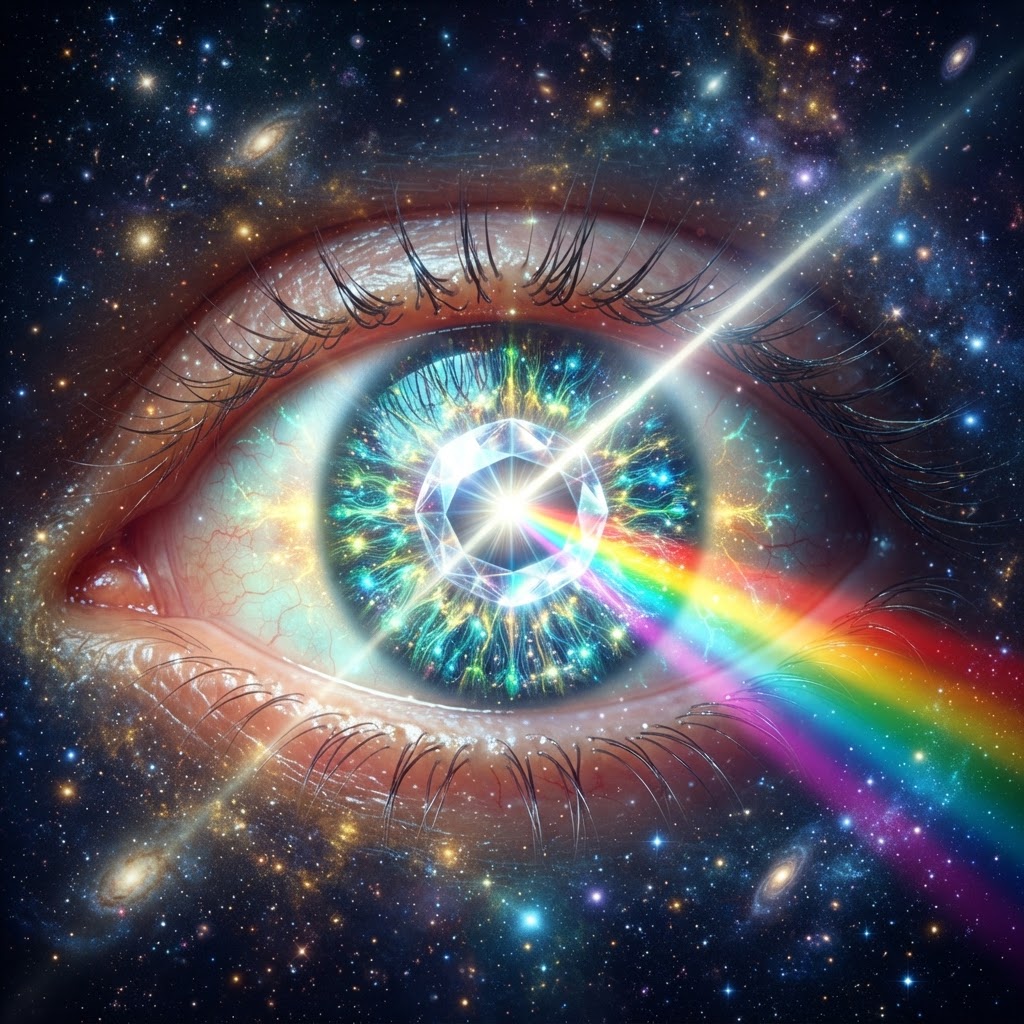
The whole Palace meets in these two apertures. Light that has travelled for millions of years arrives, passes through a crystal that the body grew, and becomes an experience inside a skull. It is the only place in the known universe where cosmic light reads its own handwriting.
Crystal teachers are the tuning forks of that reading. Amethyst holds the two pupils at the violet edge where seeing becomes knowing. Clear quartz sharpens without colouring. Labradorite changes hue with the angle of the observer, proving perception depends on position. Every mineral in the Palace is, first and last, a lesson in how to look.
The Left Pupil
The lunar door. Receiving, reflecting, remembering. Its light is soft, blue-toned, unwilled.
The Right Pupil
The solar door. Projecting, naming, measuring. Its light is bright, golden, willed.
"Two pupils, two mirrors, one light — and a crystal in the middle of the room reporting back."
The Crystals Inside the Ears
Stones That Regulate Our Space
The ears do not only hear. Deep inside each one, hundreds of tiny calcite crystals sit on beds of sensitive hairs, and every direction you have ever known — up, down, level, tilting, turning — is a report filed by mineral. The HU-man body carries a crystal compass in each ear.
These crystals are the heaviest thing in the ear, and that is the whole point. Because they are dense, they lag behind when the head moves; because they lag, they bend the hairs; because the hairs bend, the brain receives a precise geometry of the body in space. This is how a HU-man knows what "upright" even means.
This is also why the Palace teaches crystals first as orientation and only secondly as decoration. A mineral held in the hand is a small rehearsal of what the ear already does every second: read the light, read the pull, and tell the body where it stands.
Up & Down
Gravity drags the ear stones; the hairs bend; the body is told which way is down before it takes a single step.
Forward & Back
Linear acceleration slides the crystals along their gel beds — the report of movement, not just position.
Left & Right
A tilt to either side shears the crystals in the opposite direction: the body's own level, its plumb-line.
Turn & Spin
The fluid canals report rotation while the stones report tilt — together they keep the HU-man oriented inside space.
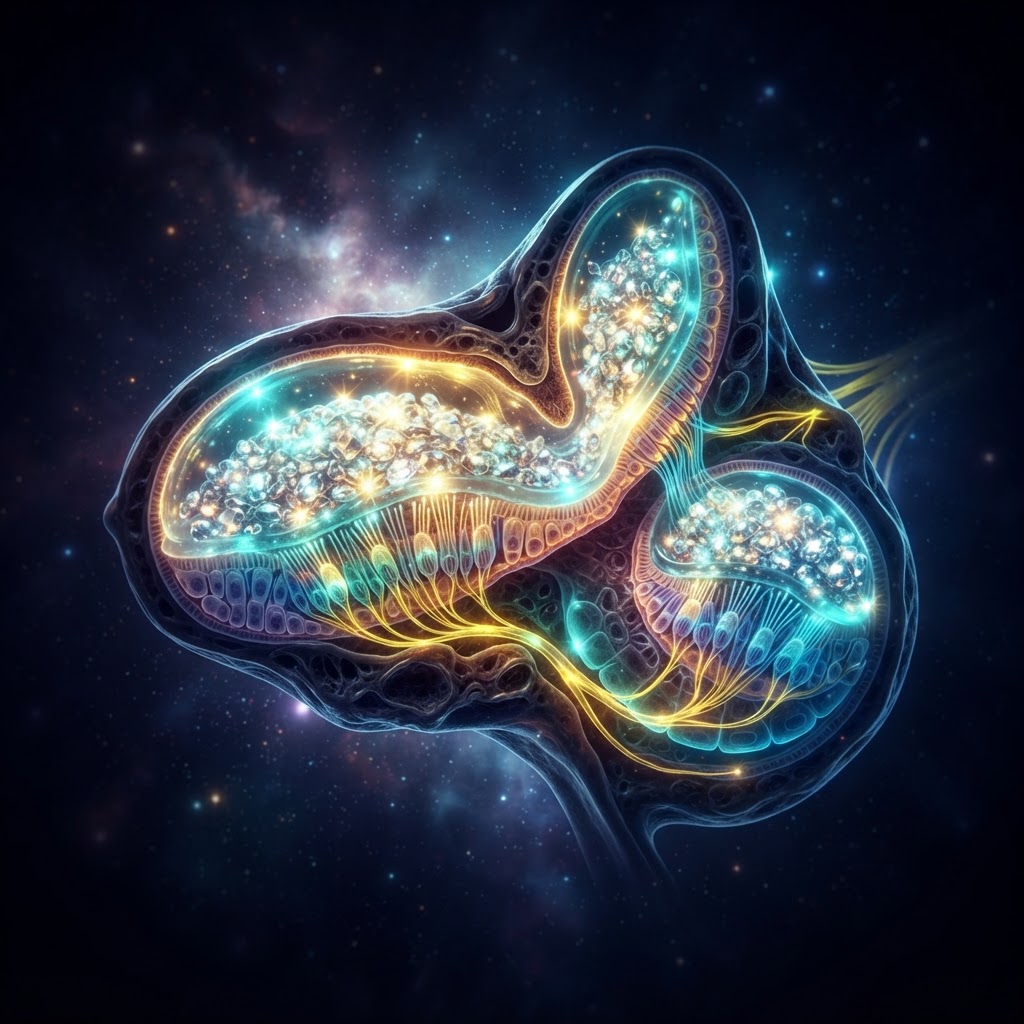
Utricle and saccule, deep in the ear
Calcite crystals (otoconia) resting on a gel membrane
Inside each ear sit hundreds of tiny calcite stones, heavier than everything around them, balanced on beds of sensitive hairs. When you tilt your head, gravity drags the crystals and the hairs bend, firing a precise report of your orientation: up, down, level, tilting. These are the crystals that regulate the HU-man sense of space and direction — the built-in compass and plumb-line of the body.
The Palace Inside the Flesh
Where Crystals Are Found in the HU-man Body
The Palace is not a cave you visit. It is the body you are already wearing. Six sites where the mineral kingdom is alive inside you right now.
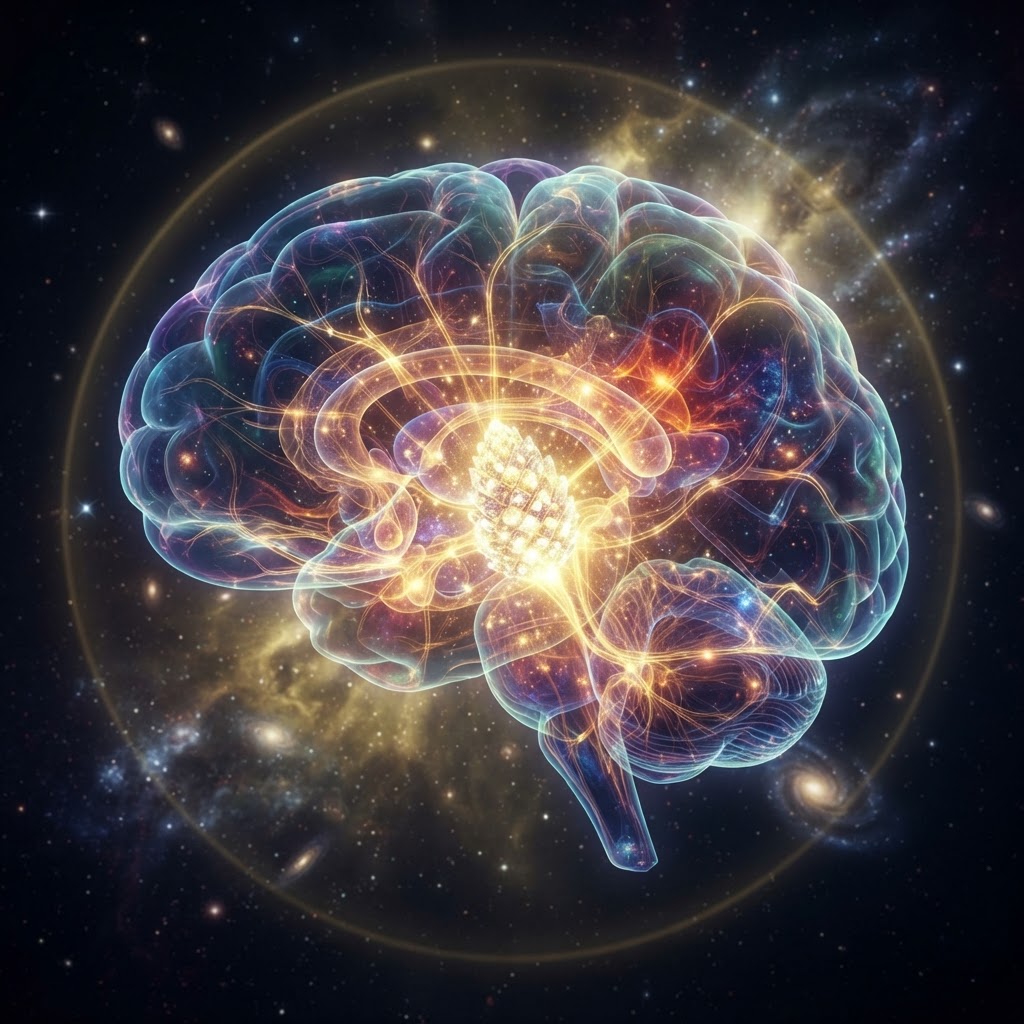 Center of the brain
The Pineal Gland
Calcite microcrystals (corpora arenacea — the so-called brain sand)
The pineal is a genuine crystal organ. Under the microscope its tissue is speckled with tiny calcite crystals — the same mineral as limestone, chalk, and the alabaster lamps of Kemet. Because calcite is piezoelectric, these microcrystals can convert pressure and light into electrical signal. It is the hardware of the third eye, and it is made of stone.
Utricle and saccule, deep in the earThe Otoliths of the Inner Ear
Calcite crystals (otoconia) resting on a gel membrane
Inside each ear sit hundreds of tiny calcite stones, heavier than everything around them, balanced on beds of sensitive hairs. When you tilt your head, gravity drags the crystals and the hairs bend, firing a precise report of your orientation: up, down, level, tilting. These are the crystals that regulate the HU-man sense of space and direction — the built-in compass and plumb-line of the body.
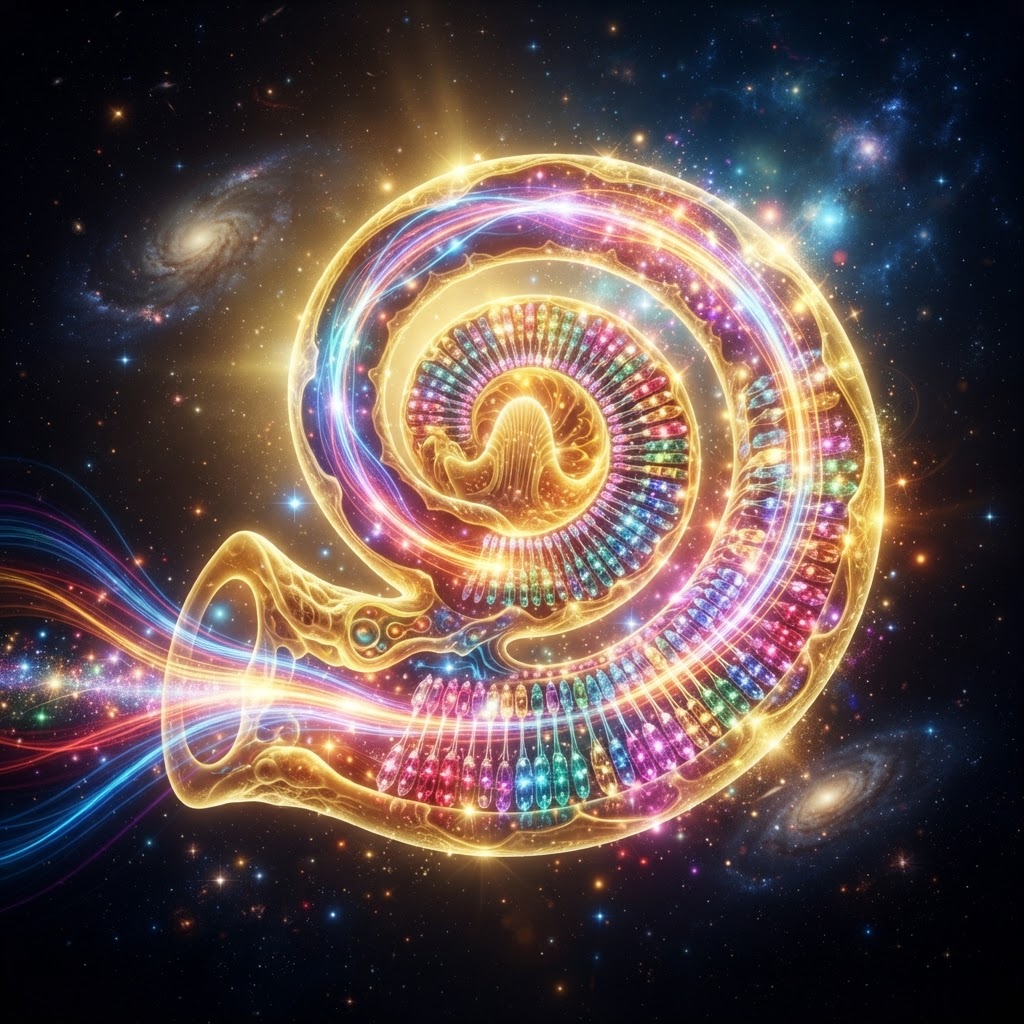 The spiral organ of hearing
The Cochlea
Crystalline collagen lattice along the basilar membrane
The cochlea is a spiral, and along its length runs a membrane built of precisely ordered collagen — a liquid-crystal ribbon that sorts incoming sound into frequencies. The ear is therefore two crystal organs in one: stones for balance and a crystalline ribbon for hearing. It reads the vibration of the world and the position of the body with the same mineral language.
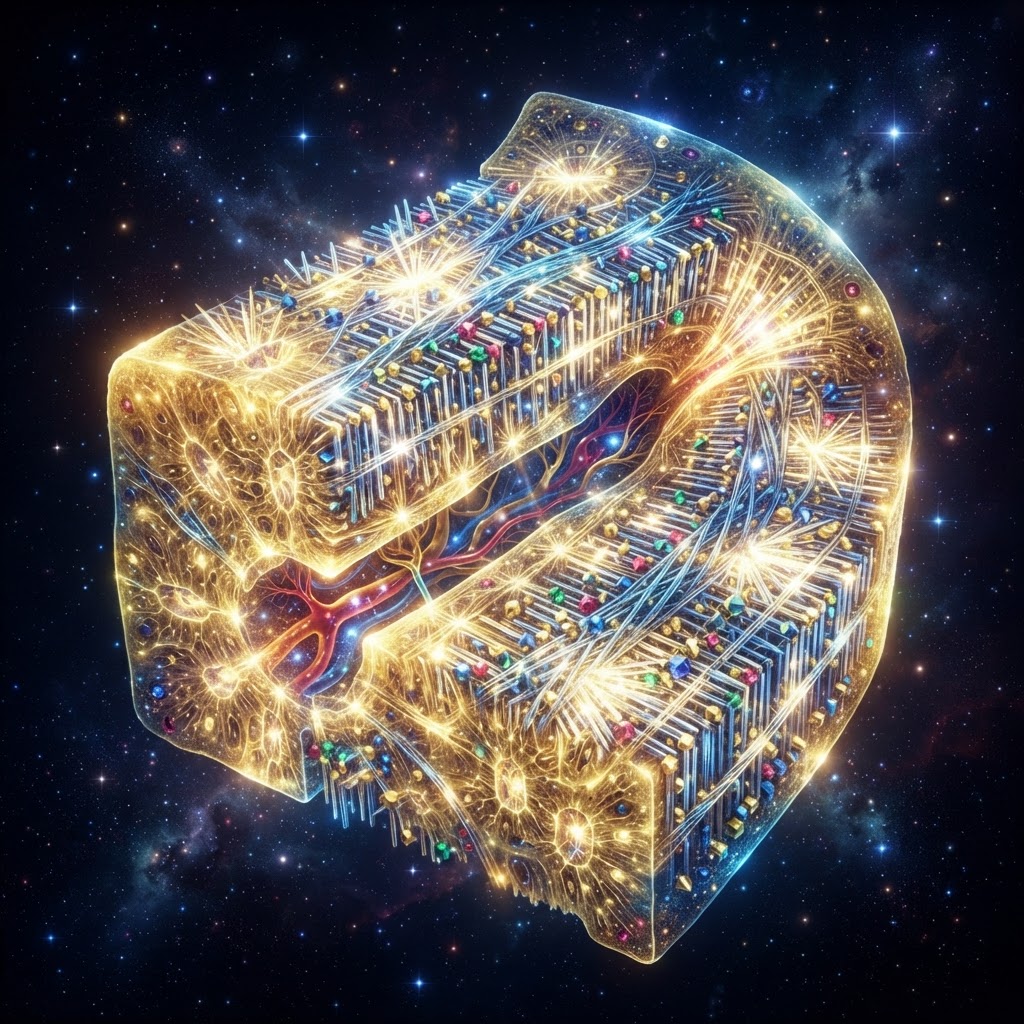 Everywhere
Bone, Blood and the Mineral Body
Hydroxyapatite crystal needles in a collagen matrix; iron in hemoglobin
Roughly seventy per cent of bone by weight is crystalline mineral: needle-shaped apatite crystals laid along collagen fibres like light-bearing rods. The iron glowing red at the center of every hemoglobin molecule is the same element that colors red jasper, garnet, and hematite. The HU-man body is a mineral library.
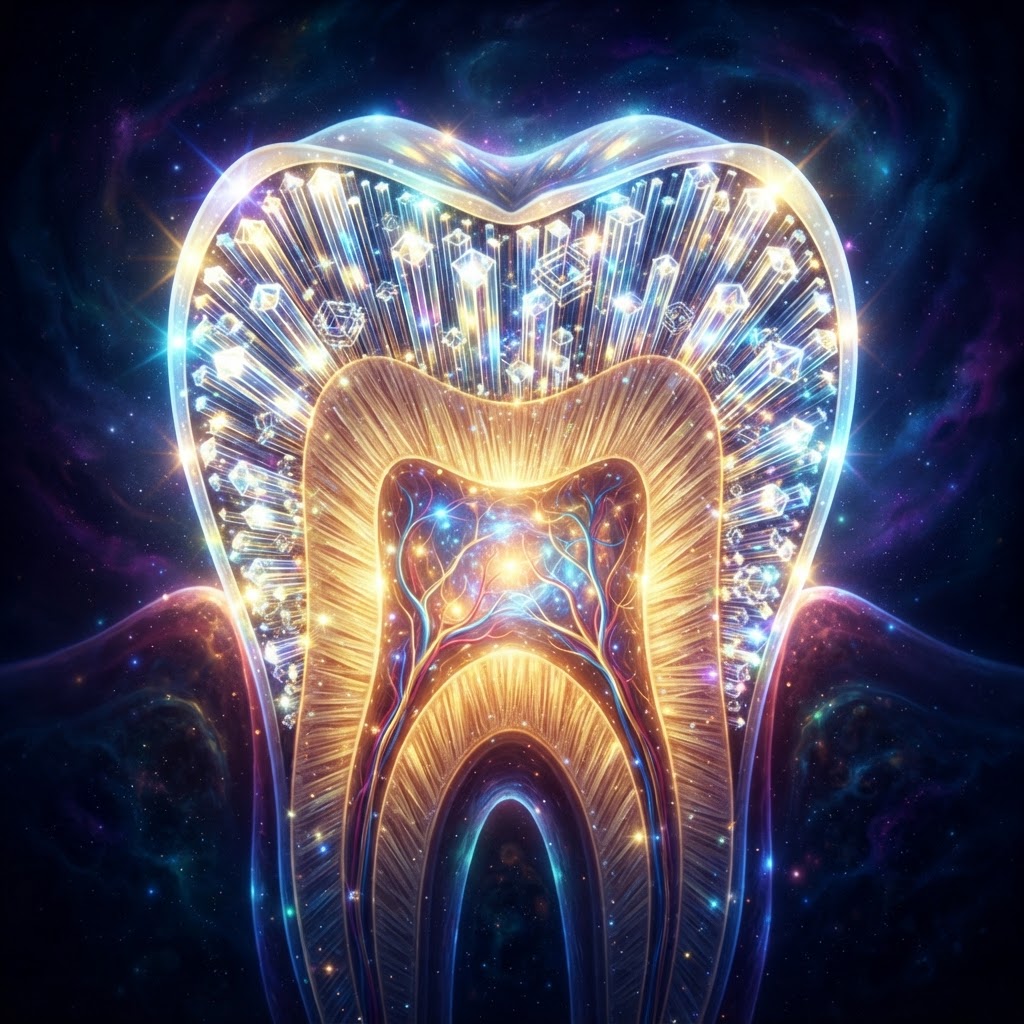 The mouth
Teeth and Enamel
Fluorapatite in packed prismatic crystal rods
Enamel is a crystalline solid: millions of long crystal rods, tightly packed, tougher than anything else the body builds. Its mineral is fluorapatite — the same family as the mineral fluorite, which is why fluoride and fluorite share a name. Your smile is a crystal formation, and it is the only part of you that never sleeps.
Behind each pupilThe Crystalline Lens — The Two Pupils
Crystallin proteins in a liquid-crystal arrangement
The lens of the human eye is so crystalline that it is named for it. Packed with crystallin proteins in near-perfect order, it bends light onto the retina with a precision that engineers still copy — the finest manufactured lenses in the world are ground from fluorite for exactly this reason. Two lenses, two pupils: the only two doors through which the entire cosmos enters a HU-man and becomes an experience.
Cinema of the Living Stone
Watch the Light Move
Two films from inside the Palace. The first flies into the crystal cave. The second is the exit — the moment a stone chamber becomes sky.
The Flight Through the Crystal Palace
The camera enters the cave and keeps going. Watch how the light refracts — the same physics runs inside your skull.
The Light Cave Exodus
A shaft of sunlight strikes a single clear crystal, and a stone chamber begins to dissolve into stars. This is the exit.
Release the Secret
The Mystery of Crystals in Egypt
Kemet did not use crystal as ornament. Kemet used crystal the way a body uses mineral — structurally, electrically, and as a holding place for light.
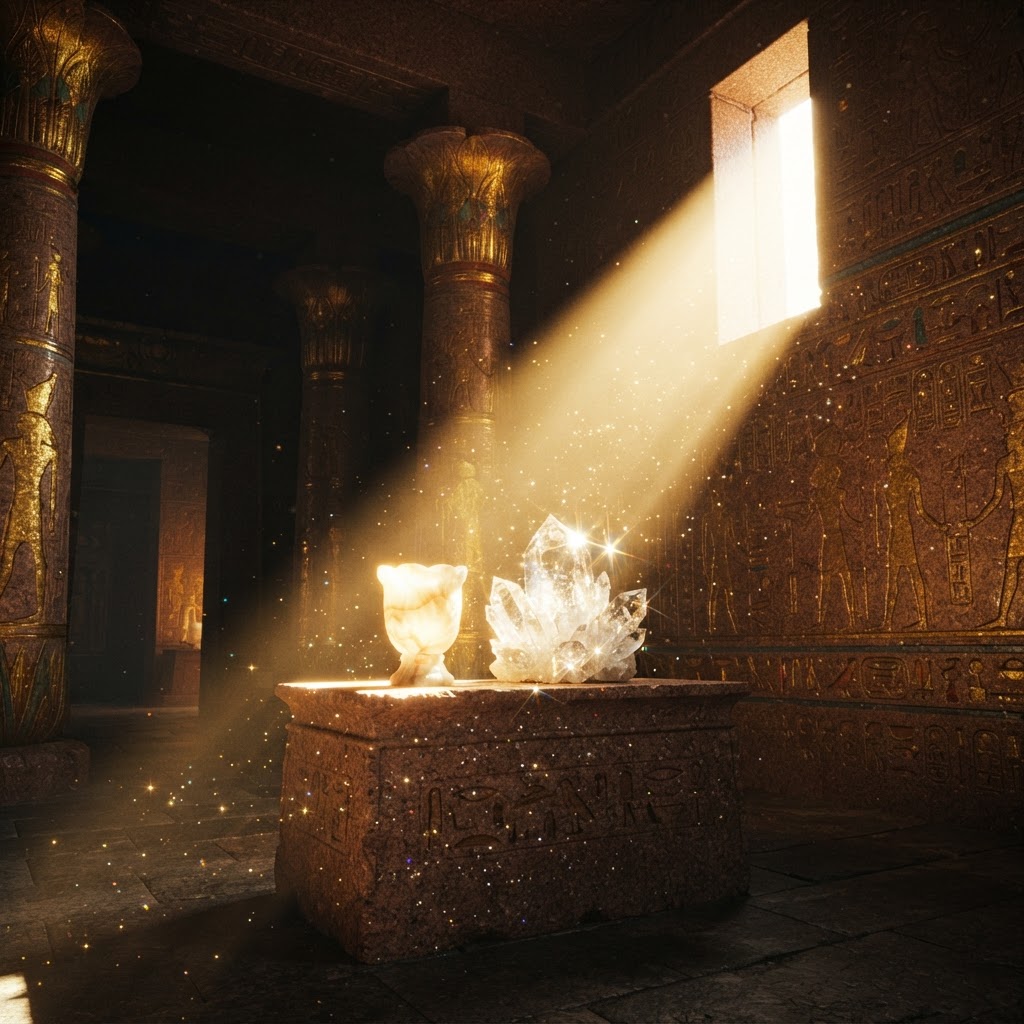
The Lamp That Was Never Allowed To Go Out
Calcite alabaster, rose granite, quartz-glazed faience, and a single shaft of light.
Kemet built its most sacred chambers out of crystal and called it ordinary. The great vessels of the temple were carved from calcite — Egyptian alabaster — a stone so translucent that a lamp placed inside it glows through the walls. The canopic jars, the altar dishes, the bowls held by the priests: all cut from a mineral that carries light. In the inner sanctum there was no window, only a shaft, and on the altar a bowl of light-bearing stone.
The temple floors were rose granite — a stone that is roughly half quartz and feldspar. Quartz is piezoelectric: press it and it produces electricity; pass electricity through it and it produces a rhythm. Whole chambers were built of the one stone in the region that answers a voice with a current, and the sarcophagus in the King's Chamber at Giza is cut from a single block of it.
Kemet also invented the first synthetic crystal. Egyptian faience — the turquoise-blue glaze on every amulet of the Two Lands — is made from crushed quartz bound with alkali and fired until it vitrifies. The world's oldest artificial crystal, made to hold the color of the sky and the color of the sea on a stone in the hand.
Four mineral keys of the Two Lands
And then there is the stone that carried the name of the first moment: the Benben, the primeval mound, the pillar of light that rose out of the waters before the world had a shape. Every pyramidion, every obelisk tip, was a Benben — a small crystal of light-gold metal pointing at the sky and reminding the seeker that the temple was always a portrait of the cave inside a skull, lit by a shaft that came from above.
The eyes were carved as crystal. Wedjat — the restored Eye of Horus — was inlaid with polished stone so the eye of a statue would catch the sun and appear to look. The priests knew what the Palace knows: that the mineral kingdom is where light goes to sit down, and that the eye is where it comes back up to look around.
The Light Cave Exodus
Socrates' Cave — Smiles
They said we live in a cave watching shadows on a wall. They were right — and they left out the best part.
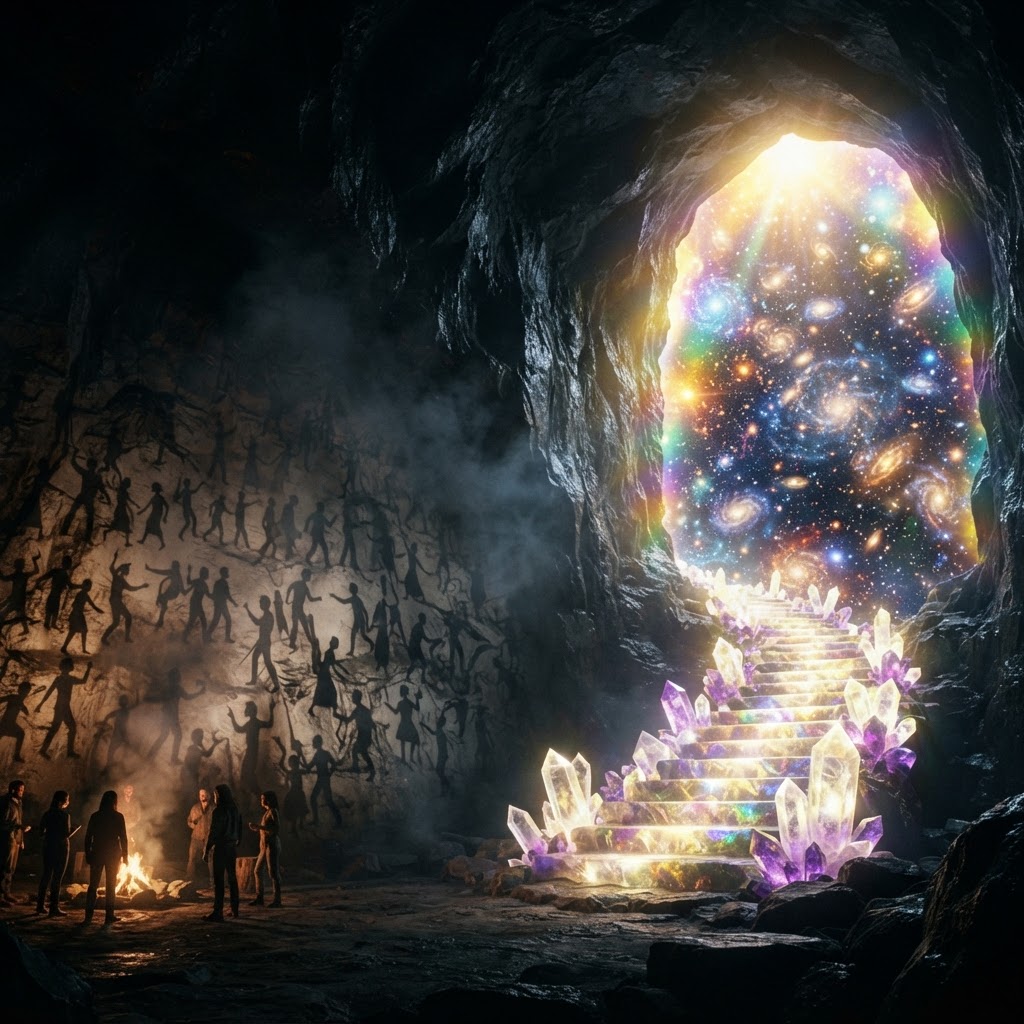
Socrates and Plato said we live in a cave, watching shadows on a wall and calling them the world. Smile — because they were not describing a prison. They were describing a nursery. A cave of shadows is where every one of us learns the shapes before we are taken out to meet the light that casts them.
Now release the secret, and let the two halves of the word stand together: the cave of shadows and the LIGHT CAVE. The first is the illusion; the second is the organ that perceives it. You are not in the dark cave looking at the wall — you are standing inside a lit cave called a skull, projecting the whole masquerade outward, and mistaking the projection for something outside of you.
The Exodus is the blueprint of the exit. A pillar of cloud by day and a pillar of fire by night walked a people out of one kingdom and into another; and inside the body, the same pillar is the shaft of light that runs through the middle of you, past every chakra chamber, out through the crown. Every pyramid ever raised had an ascending passage — a corridor cut to exactly the width of a procession, leading from the dark ground up into the chamber of light. That corridor is a diagram of your own spine.
So the Light Cave Exodus is not a journey to a place. It is the turning of the head. One pivot of attention, from the shadows on the wall to the shaft of light behind you, and the entire ballroom becomes transparent. You do not leave the cave — you light it. You walk out of the masquerade still wearing your costume, only now you are the one who knows the face behind every mask, including your own.
The Law of Balance
And with that knowledge comes the old warning, spoken at the end of every teaching of power: what is sent returns to the sender. Reading the cast list of another person's crystal chamber is not permission to rearrange it. Hold your own light steady, give back what was pressed upon you, and let the balance stand — so the whole seeker family can walk out of the cave together, unharmed and luminous.
Sources & References
Summary of the Palace
The Whole Palace In Four Breaths
Everything is crystal. The cave, the crown, the two pupils, the stones in your ears, the teeth in your smile, the bones of your arms.
Everything is light. Each chakra is a frequency, each crystal a wavelength, each HU-man a lattice that receives the whole spectrum, holds it for one lifetime, and returns it clarified.
Everything is a masquerade. The ballroom is inside-out; the dancers are planets and constellations wearing bodies; the two pupils are the only mirrors; and the crystals in your ears have known which way is up since before you had a name.
The secret of the Palace is the secret of Kemet: the temple was never a building. It was a body, lit by a shaft, holding a crystal lamp that was never allowed to go out.
"You are not in the cave. You are the cave — lit, mineral, and walking."
— Dr. Nannette E. O'Neal · Cosmic Ontology