✦ The Hidden Chamber of Eternity ✦
The Egyptian
Artifact Room
𓂀 𓊹 𓋴 𓏭 𓆣 𓇳 𓃭 𓏏 𓆙 𓂋 𓊹 𓂀

Goddess Ma'at · Netjer of Truth
Tomb of Siptah (KV47) · c. 1191 BCE · Valley of the Kings
Mistress of the Hall of Two Truths
Goddess Ma'at
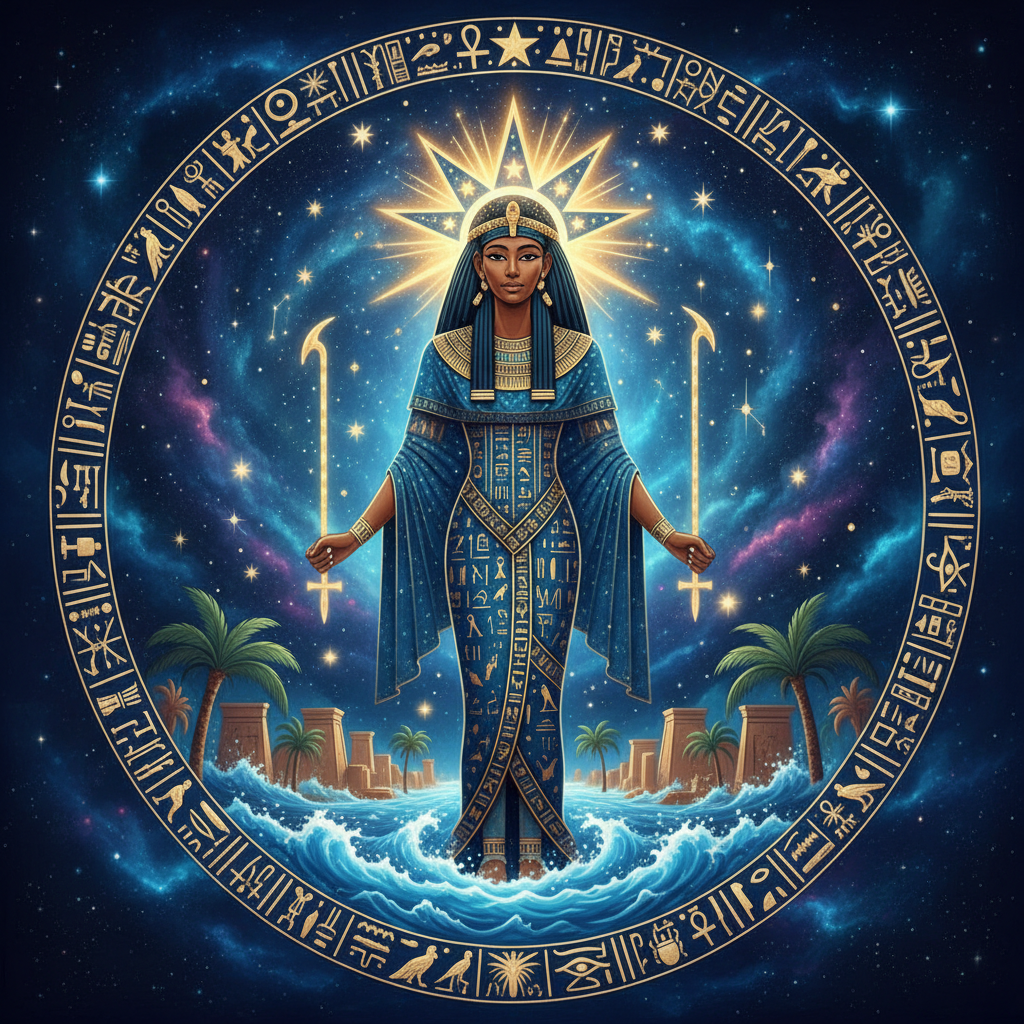
Ma'at — whose name means Truth, Justice, and Cosmic Order — was the supreme principle governing all of existence in ancient Egypt. She was not merely a goddess; she was the very fabric of reality itself.
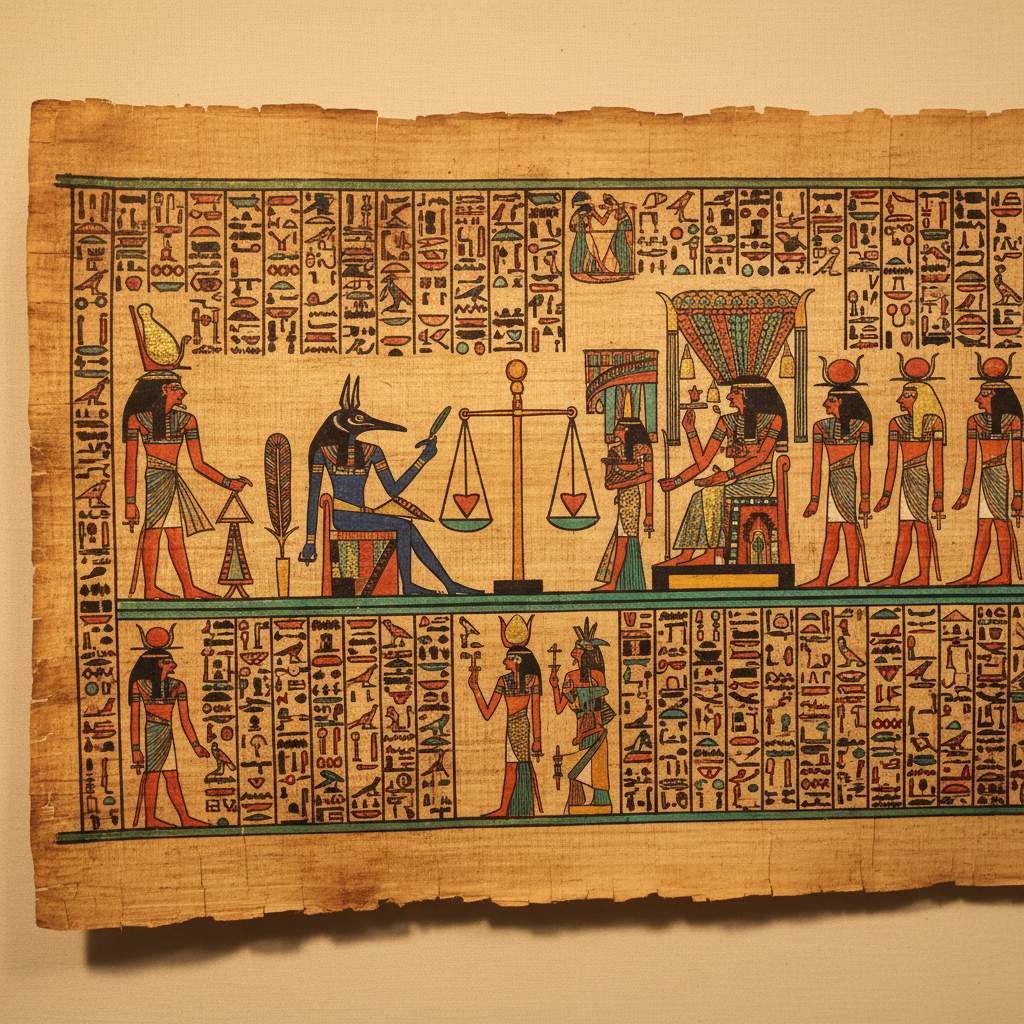
Her outstretched wings embrace the cosmos. The single ostrich feather in her headdress was the measure of all souls — the divine standard against which the human heart was weighed after death in the Hall of Two Truths.
Every pharaoh governed in her name. Every judge dispensed her law. Every priest maintained her cosmic balance. She was the first law, the first justice, the first order — breathed into creation before the gods themselves were named.
"I have not done wrong. I have not robbed with violence. I have not told lies. I have lived in Ma'at." — The 42 Confessions before her throne
She is the answer to every question humanity has ever asked about right and wrong. She preceded Moses by two thousand years. She preceded Hammurabi by a thousand. Ma'at is the original conscience of the universe.
The Avenue of Sphinxes
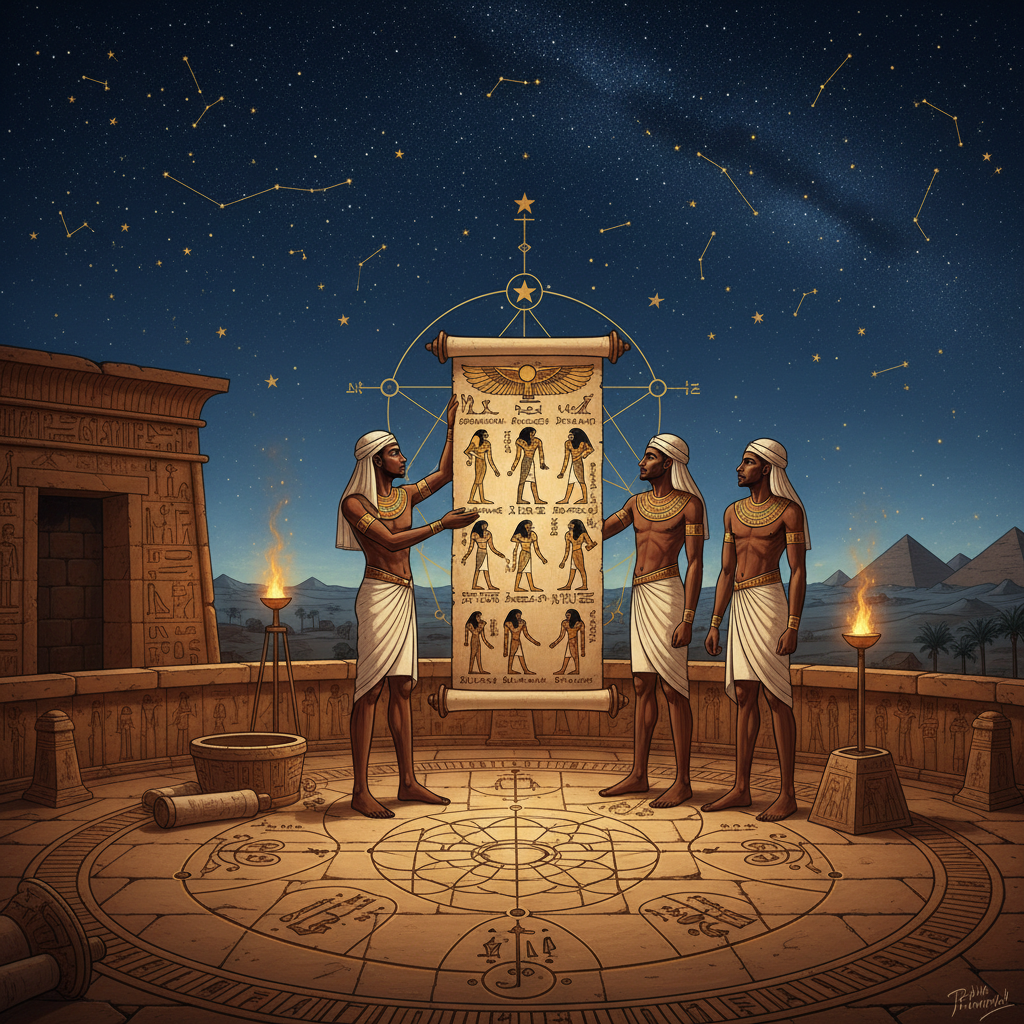
Six Sacred Scrolls of Ancient Egypt
The Sphinxes guard the sacred knowledge. Press a scroll's seal to unlock its metaphysical secret.
Sacred Scroll 1
The 42 Laws of Ma'at
Before the weighing of the heart, the soul stood before 42 divine assessors in t…
Sacred Scroll 2
The Book of the Dead
Known to the ancient Egyptians as "The Book of Coming Forth by Day," the Book of…
Sacred Scroll 3
The Mystery of Osiris
Osiris was slain by his brother Set, dismembered into fourteen pieces, and scatt…
Sacred Scroll 4
The Eye of Ra & The Eye of Horus
Two eyes look upon the cosmos — the Eye of Ra, the solar eye of divine authority…
Sacred Scroll 5
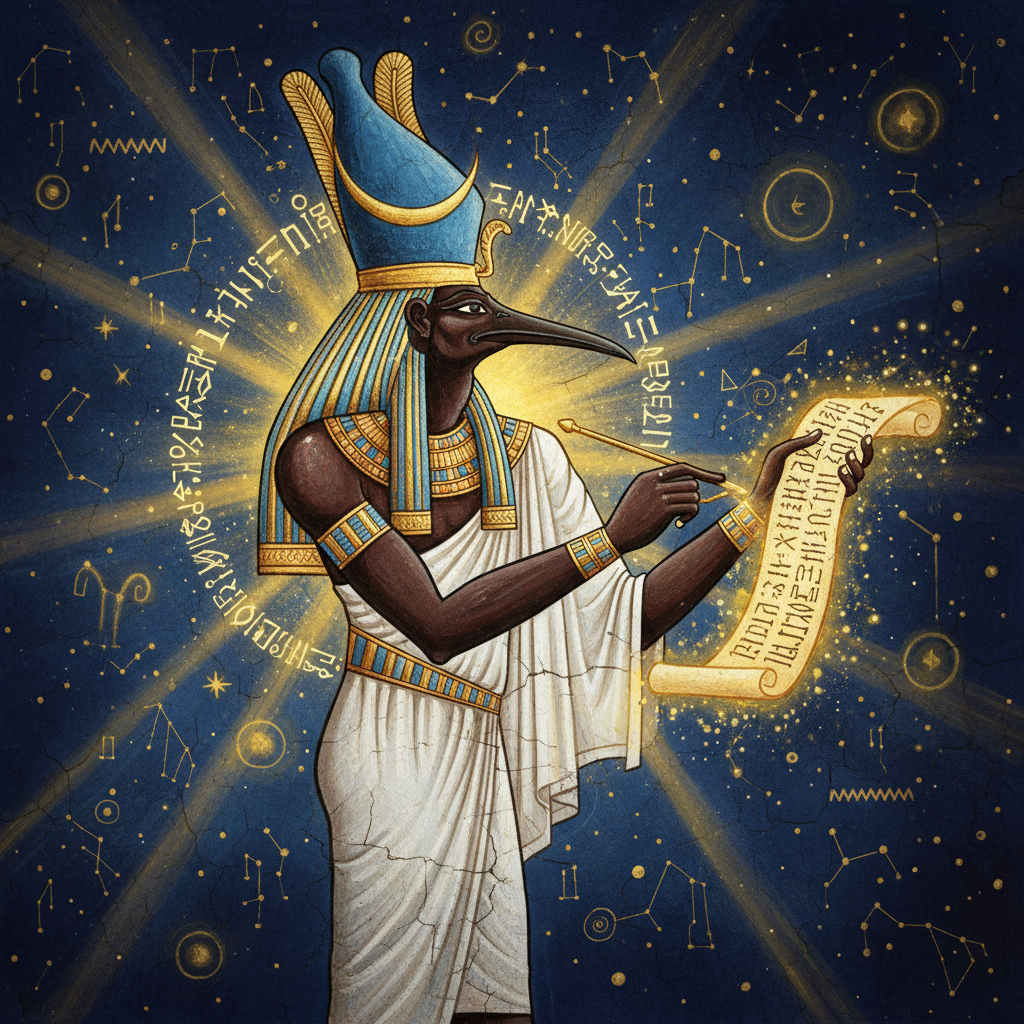
The Emerald Truth of Thoth
Thoth — Djehuti — the Ibis-headed god of wisdom, writing, magic, time, and the m…
Sacred Scroll 6
The Alchemy of the Pyramids
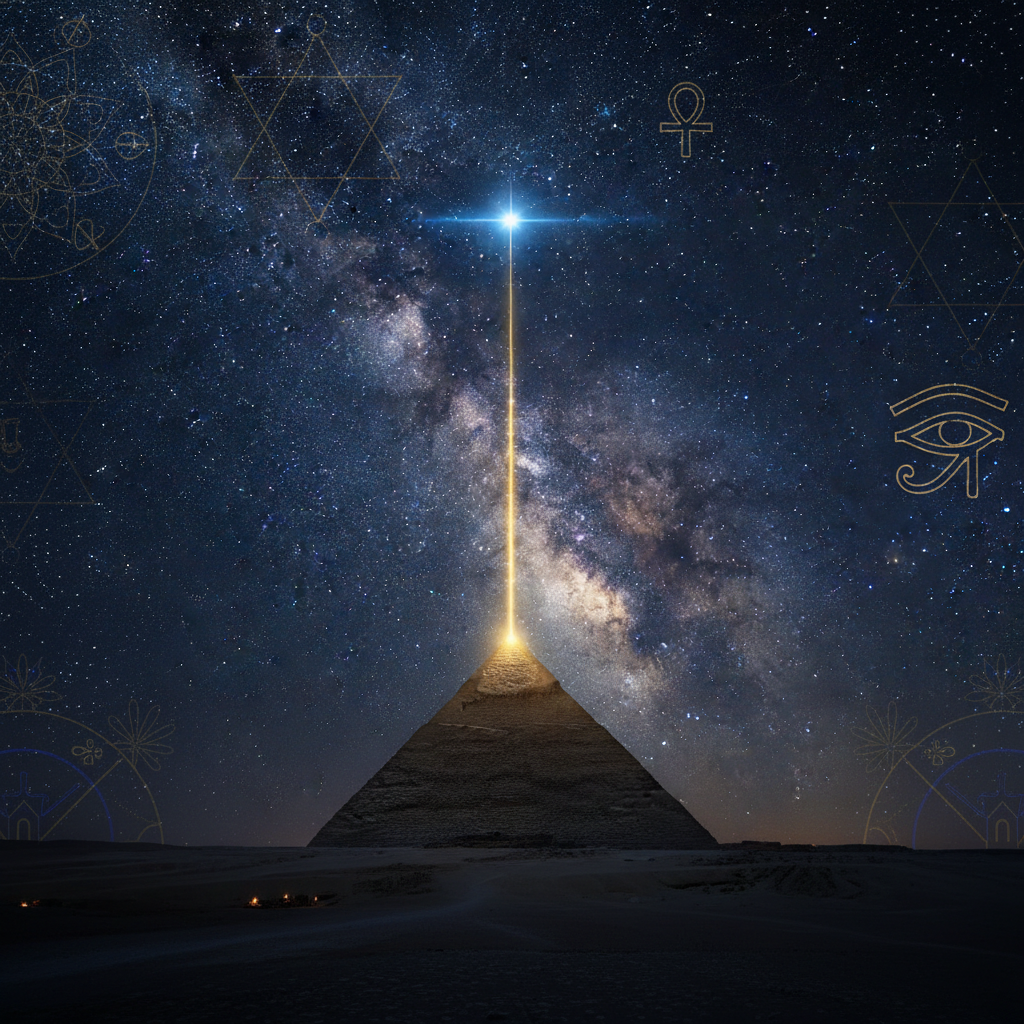
The Great Pyramid of Giza is not a tomb. It is a machine — a cosmic resonance ch…
✦ Treasure of the 18th Dynasty ✦
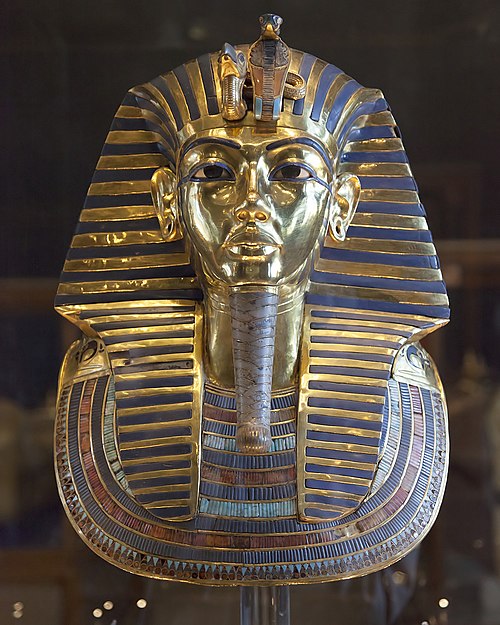
The Golden Mask of Tutankhamun
18th Dynasty · c. 1323 BCE · 11 kg Solid Gold
The Boy King · Nebkheperure
Tutankhamun's Golden Mask
Fashioned from eleven kilograms of solid gold and inlaid with lapis lazuli, carnelian, quartz, obsidian, turquoise, and faience — the funerary mask of Tutankhamun is the most recognizable artifact in human history.
The Uraeus cobra and Nekhbet vulture upon his brow represent his sovereignty over Lower and Upper Egypt. The false beard of divine kingship. The striped Nemes headdress of pharaonic authority.
Upon his shoulders, inscribed in the Spell of Protection from Chapter 151b of the Book of the Dead:
"Your right eye is the night bark, your left eye is the day bark... your face is the face of Anubis who presides over the Divine Booth."
He was nine years old when he became Pharaoh. He was nineteen when he died. Yet his mask has looked upon eternity for 3,345 years — and it will outlast everything we build today.
The Inner Sanctum
Sacred Artifacts of the Pharaohs
Click any artifact to reveal its hidden metaphysical teaching.
Key of Life
The Ankh
Backbone of Osiris
The Djed Pillar
Divine Serpent of Wisdom
The Uraeus
Scepter of Divine Power
The Was Scepter
Guardians of the Organs
The Canopic Jars
Ship of a Million Years
The Solar Barque of Ra
The Supreme Axiom of Kemet
"Know Thyself,
and thou shalt know
the Gods and the Universe."
Inscribed upon the Temple of Luxor · 1400 BCE
𓂀 𓊹 𓋴 𓏭 𓆣 𓇳