Volume I · Issue 005 · November 2026
The Cosmic Dispatch
A transmission from the Cosmic Ontology Academy
From the Editor
A Letter from Nannette E. O'Neal, Ph.D.
Beloved Seeker,
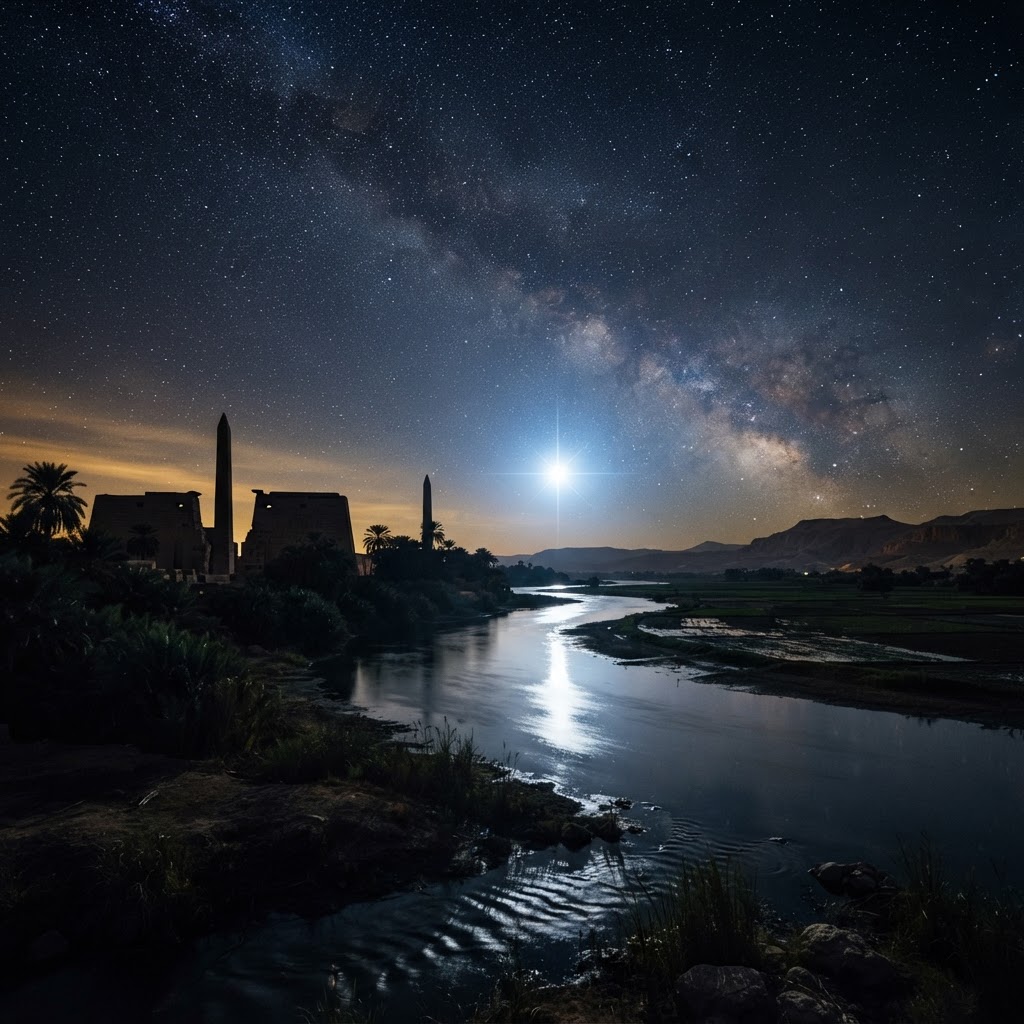
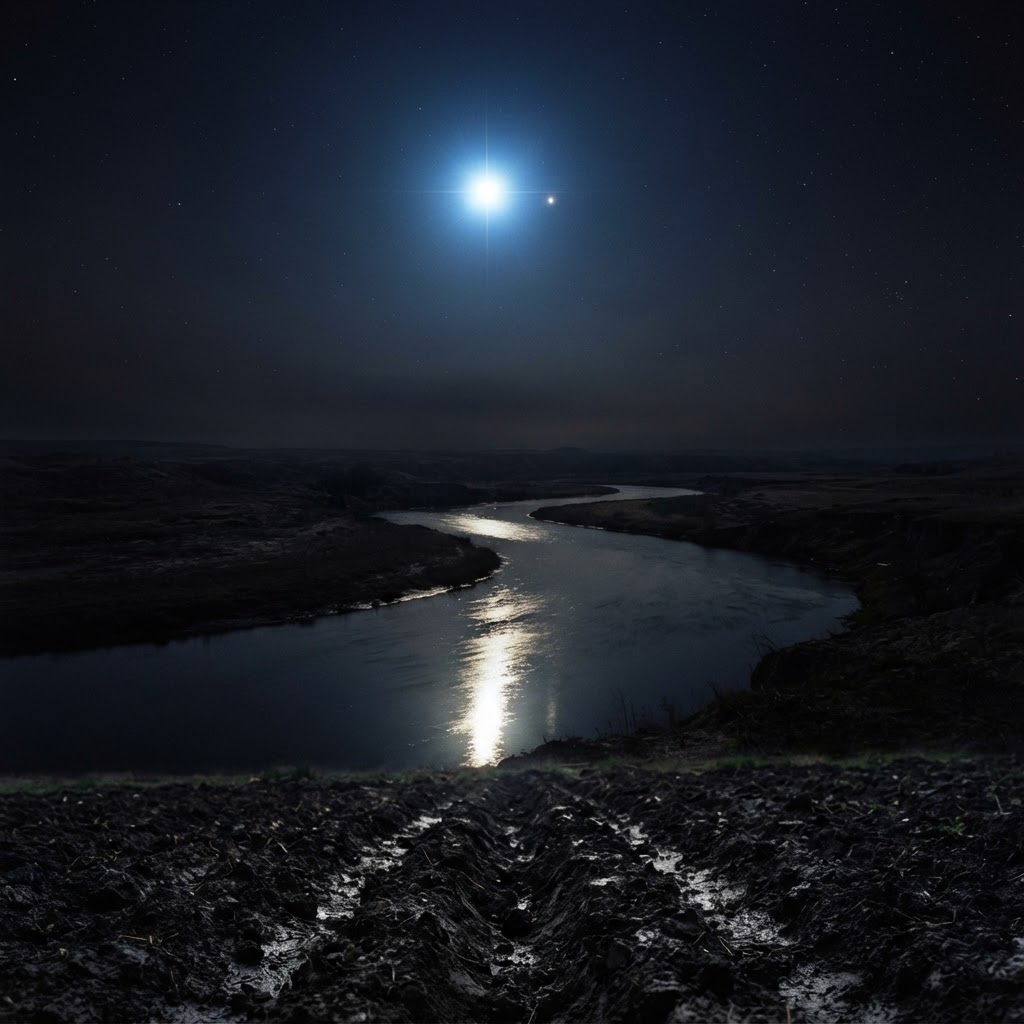
November arrives with a question the sky has already half-answered. The flood has withdrawn. Where water stood a month ago, black earth now lies exposed, dark and waiting — and the season the Egyptians called Peret, the Emergence, begins.
There is a star behind that rhythm, and behind that star a companion no human eye has ever seen. Sopdet — Sirius — the brightest light in heaven, is not one star but two: a dazzling white sun orbited by a collapsed and invisible twin whose gravity governs everything the bright one does. The visible has always been ruled by the unseen.
So this month the Academy asks you to look at what has receded in your own life, and at the weight you cannot see but can certainly feel steering you. The water goes back. The ground appears. The seed goes in.
Nannette E. O'Neal, Ph.D.
Founder · Cosmic Ontology Academy
This Month’s Teaching
The Invisible Twin — What Governs the Light You Can See
Every year Sirius vanished from the Egyptian sky for some seventy days, swallowed by the glare of the sun. Then, one dawn in midsummer, she rose just ahead of it — and within days the Nile broke its banks. A civilization built its entire year upon that single signal. Wepet Renpet, the Opening of the Year, was not a date marked on a calendar. It was the morning Sopdet came back.
But Sopdet is not one star. She is a binary. Sirius A is hot and luminous, twice the mass of our Sun. Circling her once every fifty years is Sirius B — a white dwarf the size of the Earth yet heavier than the Sun, compressed so violently that a teaspoon of it would weigh tons. It is a dead star, the collapsed core of something once greater, and it is very nearly invisible. Astronomy only inferred its existence in 1844 and only saw it through a telescope in 1862. The Dogon of Mali had described it long before either.
Here is the teaching, and it is exact: the brightest thing in the sky is moved by something no one can see. The companion is known only by its effect — the bright star’s path bending, slightly and steadily, around a center that is not its own. This is the geometry of inheritance. The ancestral line, the old grief, the vow never spoken aloud, the buried core of the self: none of them shine, and all of them govern. What you can see is in orbit around what you cannot.
And then the flood withdrew. That is the second half of the teaching, and the reason November matters. In Egypt, when the waters finally pulled back, they left behind the thick black silt that gave the country its own name — Kemet, the Black Land. The ground did not appear until the water left. Peret, the Emergence, is not first a season of growth; it is the season of exposure, when what lay hidden beneath the flood is finally seen, and can finally be sown. The inundation was never the harvest. The receding was.
This month, name two things. Name the invisible twin — the quiet weight that has been bending your orbit, whether or not you ever gave it permission. Then name what has receded this year, so that ground could appear in its place. And do the only thing Peret has ever asked of anyone: put the seed into the black earth, and let the dark do its work.
Cosmic Almanac · November 2026
Signals from the Heavens
The star of the Nile no longer waits for the dawn. Through November Sopdet rises earlier each evening, clearing the horizon before midnight — so you may look up at a civilized hour and see the star that once decided when an entire people would eat.
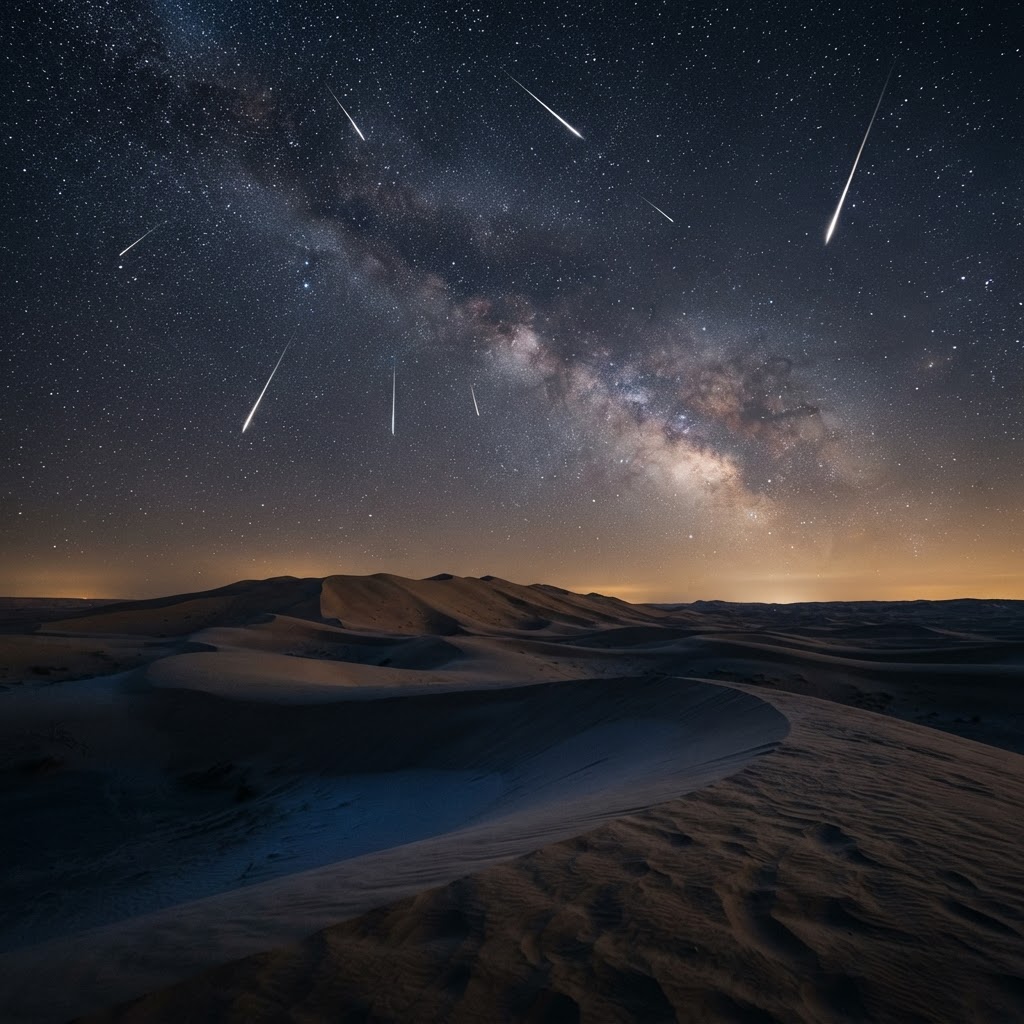
The Leonid meteors fall from the sickle of Leo, debris of a comet long dissolved. Light descending in fragments, exactly as the old teaching promised. Watch for the one bright streak that arrives without warning; that is the one you were meant to see.
The inundation is fully withdrawn and the black silt lies exposed. Peret, the Emergence, opens the sowing season — the ground appears only after the water leaves, and the seed asks for darkness rather than light. What was buried is not lost; it is waiting to be planted.
The Sun enters Sagittarius — the archer, the seeker who aims beyond the known map. After the descent into the depths, the year turns toward the far horizon. Aim now at what you intend to become by spring, and let the arrow fly before you feel ready.
From the Curriculum
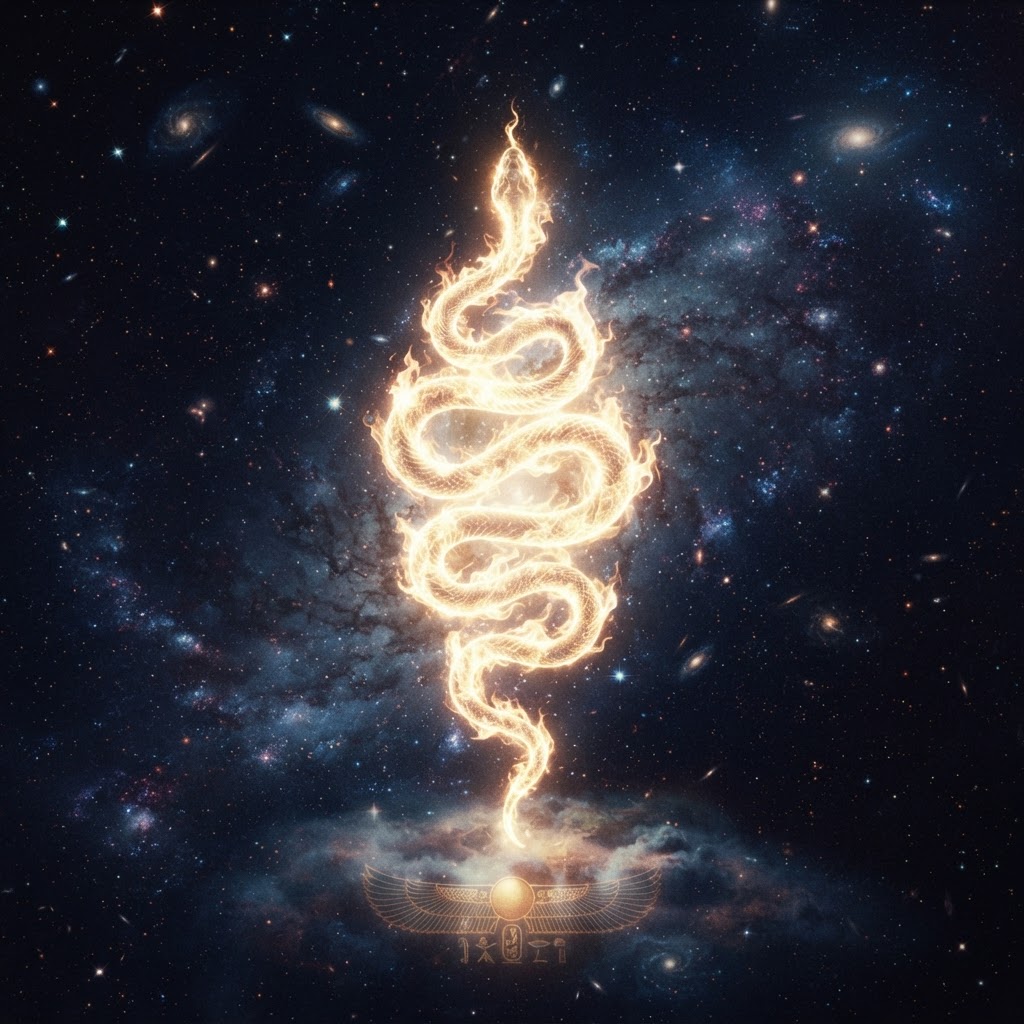
The Kundalini of Ophiuchus
Two hidden stars in one month: the invisible twin of Sirius, and the thirteenth constellation the zodiac declined to count. Thirty lessons trace Ophiuchus — the Serpent Bearer, the healer Asclepius, the serpent power coiled at the base of your own spine — from Ptolemy’s star charts through the Uraeus, the nachash of Eden, Quetzalcoatl and the Ouroboros. It does not merely describe the hidden knowledge. It asks why it was hidden, and what it means to reclaim it.
Enter the Course
A Question from the Akasha
Carry This Into Your Silence
What invisible weight has been orbiting you all these years — quietly bending every path you take — and what would change if you finally spoke its name aloud?
Until the next dispatch, may you thank the flood for leaving, and trust the black earth it left behind.
The brightest light in heaven is steered by a star you will never see. So, very often, is yours.
You are the seed, and the dark was never your enemy.
— with love from the cosmos,
Nannette E. O’Neal, Ph.D.